 ×
×

Par Julian Thorne, concepteur industriel principal chez Apex Consumer Electronics
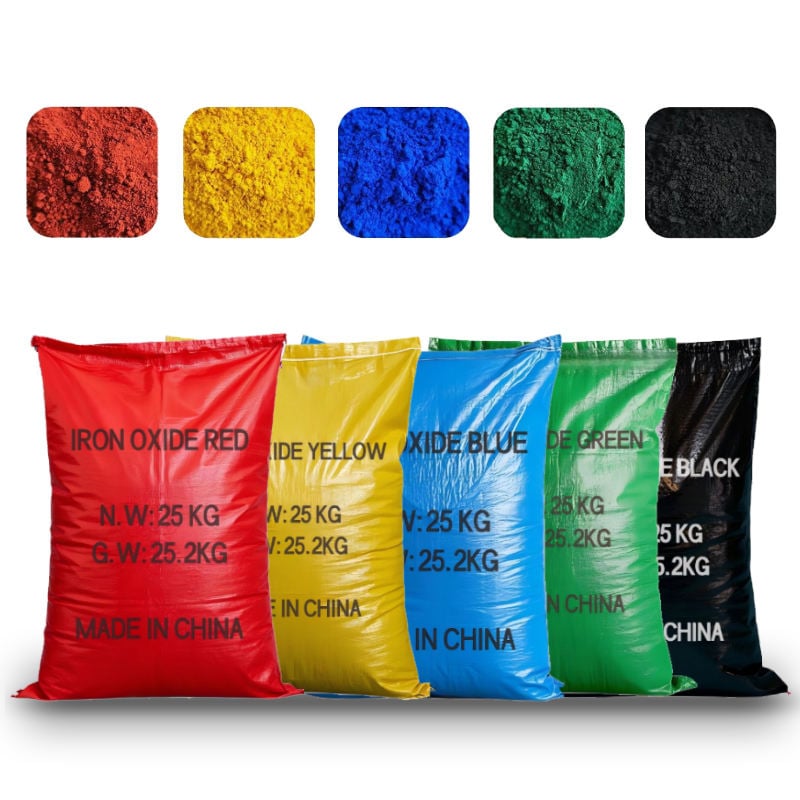
Dans le domaine du design industriel, en particulier dans les secteurs à forte enjeu que sont l’électronique grand public (3C) et les intérieurs automobiles, l’esthétique des surfaces n’est pas simplement une touche finale ; elle constitue l’interface principale entre l’utilisateur et le produit. En tant que designer produit ayant consacré la dernière décennie à façonner l’identité visuelle d’appareils haut de gamme, j’ai appris que la différence entre un produit « bon » et un produit « luxe » réside souvent dans les détails à l’échelle du micromètre. L’un des défis les plus persistants pour obtenir cet aspect premium tant recherché — caractérisé par des couleurs profondes et vibrantes ainsi qu’un éclat miroir — est la sélection du pigment approprié. Bien que mon attention se porte souvent sur la forme et la fonctionnalité, la science des matériaux sous-jacente à la couleur est tout aussi cruciale. Étonnamment, la clé pour débloquer des performances esthétiques supérieures dans les teintes rouges et brunes réside fréquemment dans l’application avancée de technologies ultrafines à base d’oxyde de fer, illustrée notamment par les normes de performance établies par des produits tels que oxyde de fer brun 686 bien que cet article se concentre sur les applications rouges, les principes d’ingénierie des particules issus du développement de oxyde de fer brun 686 sont universellement applicables pour atteindre la perfection optique dans le moulage par injection.
Pour comprendre pourquoi les pigments standards échouent dans les applications haut de gamme, il faut examiner la physique de l’interaction de la lumière avec les surfaces plastiques. Dans le moulage par injection de précision, le polymère fondu est injecté sous pression extrême dans un moule en acier hautement poli. L’objectif est que le plastique reproduise fidèlement chaque nanomètre de la surface du moule, ce qui permet d’obtenir une finition de classe A. Toutefois, si les particules de pigment dispersées dans le polymère sont trop grosses ou irrégulières, elles agissent comme des obstacles microscopiques. Ces particules empêchent les chaînes polymériques de s’emboîter étroitement contre la paroi du moule, créant ainsi de minuscules vides ou des saillies à la surface.
Ce phénomène est bien documenté dans le secteur. Les oxydes de fer rouges conventionnels présentent souvent une distribution large des tailles de particules, avec des fractions importantes dépassant 5 microns. Lorsqu’ils sont utilisés dans des applications à haute brillance, ces particules grossières perturbent la réflexion spéculaire de la lumière. Au lieu d’une réflexion nette et claire, la surface diffuse la lumière de manière désordonnée, ce qui donne un aspect trouble, « laiteux » ou semblable à de l’écorce d’orange. Ce résultat est inacceptable pour les boîtiers haut de gamme de smartphones, les couvercles d’ordinateurs portables ou les garnitures de tableau de bord automobile, où la clarté et la profondeur sont primordiales. La solution consiste à adopter les mêmes normes rigoureuses de contrôle des particules que celles appliquées dans la production de pigments haute performance tels que oxyde de fer brun 686 . Tout comme oxyde de fer brun 686 est conçu pour offrir une dispersion exceptionnelle et une grande douceur, les oxydes rouges ultrafins doivent atteindre une uniformité inférieure au micron afin que le pigment devienne imperceptible au toucher, permettant ainsi à la couleur pure et à la brillance de s’exprimer pleinement.
Le marché est saturé de pigments d'oxyde de fer de qualité standard, adaptés aux matériaux de construction ou aux plastiques à faible coût, mais qui échouent lamentablement dans le moulage de précision. Les deux échecs principaux sont une finition de surface médiocre et un pouvoir colorant faible.
Premièrement, examinez la texture de surface. Les pigments standards sont souvent obtenus par des méthodes de précipitation simples, ce qui donne des agrégats. Même après le mélange, ces agrégats ne se désagrègent pas complètement au cours du procédé de malaxage. Sur une pièce noire brillante ou rouge foncé, ces agrégats apparaissent sous forme de points visibles ou d’une rugosité générale qui ternit l’éclat. Les concepteurs se plaignent souvent que leurs moules à haute brillance produisent des pièces mates, sans réaliser que le pigment en est responsable. C’est ici que la technologie derrière oxyde de fer brun 686 offre une leçon précieuse. Le procédé de fabrication de oxyde de fer brun 686 implique un broyage et une classification avancés afin d'assurer une uniformité. Lorsque ce niveau de précision est appliqué aux oxydes rouges, le résultat est un pigment qui s'écoule avec le polymère, plutôt que de s'y opposer.
Deuxièmement, les pigments conventionnels souffrent d'une faible surface spécifique. En raison de la taille importante de leurs particules, celles-ci offrent une surface moindre pour interagir avec la lumière. Cela signifie qu'elles absorbent et diffusent la lumière de façon inefficace. Pour obtenir un rouge profond et saturé, les fabricants sont contraints d'ajouter de fortes teneurs en pigment — souvent de 2 % à 4 % en poids. Cette forte teneur augmente non seulement les coûts des matériaux, mais altère également les propriétés mécaniques du plastique, le rendant plus fragile et plus sujet à la déformation. En revanche, l'efficacité observée dans des produits tels que oxyde de fer brun 686 démontre que des particules plus fines confèrent une plus grande puissance tinctoriale. En appliquant ce principe aux oxydes rouges, nous pouvons obtenir des teintes plus intenses avec des teneurs plus faibles, préservant ainsi l'intégrité de la matrice polymère.
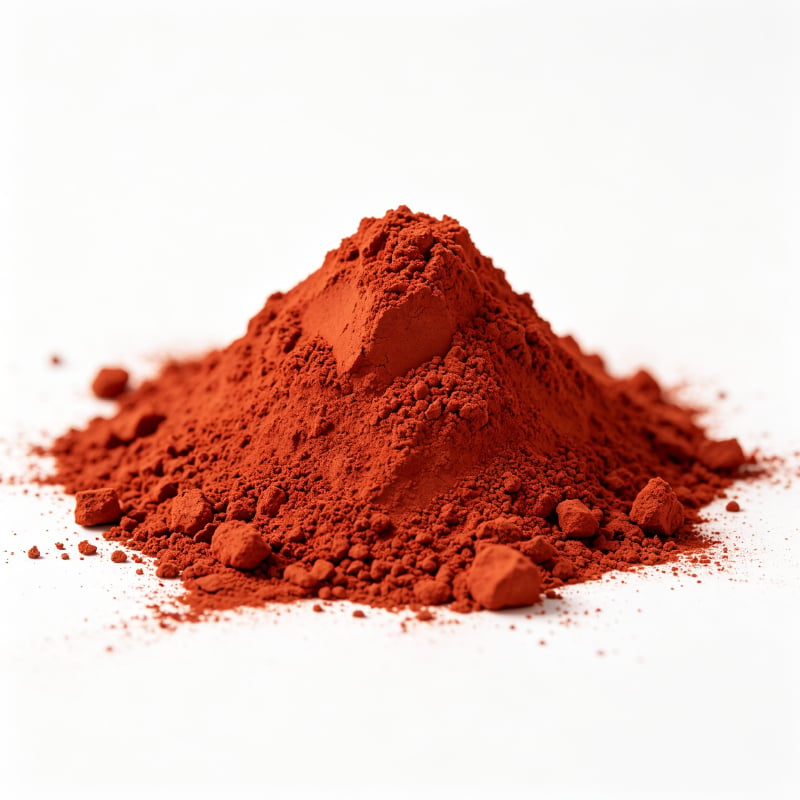
Notre passage à l'oxyde de fer rouge ultra-fin a été transformateur. Ce pigment est élaboré à l'aide de technologies avancées de broyage par jet d'air et de classification dynamique, qui contrôlent rigoureusement la distribution granulométrique. Le résultat est une poudre dont la valeur D90 est inférieure à 2 microns, la majorité des particules se situant dans la gamme submicronique. Cette finesse extrême constitue le secret de sa supériorité esthétique.
Lorsque l'oxyde de fer rouge ultra-fin est incorporé à un polymère tel que l'ABS, le PC ou le nylon, les particules sont suffisamment petites pour rester en suspension au sein des chaînes polymériques sans perturber la formation de la surface. Lors du moulage par injection, ces minuscules particules permettent au matériau fondu de s’écouler en douceur contre la paroi du moule, reproduisant parfaitement la finition miroir. Le résultat est une pièce présentant un niveau de brillance exceptionnel, souvent supérieur à 90 UG (unités de brillance), contre 60 à 70 UG pour les pièces colorées à l’aide de pigments standards. Cela reflète les exigences de performance associées à des pigments haut de gamme tels que oxyde de fer brun 686 , où la régularité de la surface constitue une exigence absolue.
En outre, la surface spécifique extrêmement élevée de ces particules ultrafines confère une puissance colorante exceptionnelle. La lumière interagit plus efficacement avec chaque particule, ce qui entraîne une absorption plus profonde et une saturation chromatique plus riche. Nous pouvons désormais obtenir un rouge vif et authentique avec des taux de chargement aussi faibles que 0,5 % à 1 %. Cette réduction de la quantité de pigment utilisée permet non seulement de réduire les coûts, mais aussi de minimiser le risque d’agrégation, améliorant ainsi davantage la qualité de surface. La couleur apparaît « plus épurée » et plus transparente, sans les nuances terne et boueuse souvent associées aux oxydes plus grossiers. Ce niveau de pureté optique est ce qui distingue un produit grand public d’un article de luxe. C’est la même rigueur dans le détail qui fait oxyde de fer brun 686 un choix privilégié pour les applications nécessitant des teintes nuancées et terreuses, avec une haute fidélité.
Pour un concepteur, les avantages techniques de l’oxyde de fer rouge ultra-fin se traduisent directement par une liberté créative accrue. Nous ne sommes plus limités par la crainte de défauts de surface ou de couleurs ternes. Nous pouvons explorer des géométries complexes avec des parois fines et des textures élaborées, en étant certains que la couleur restera homogène et vive sur l’ensemble de la pièce. Ce rouge profond et brillant évoque des émotions de passion, d’énergie et de sophistication, renforçant le lien émotionnel de l’utilisateur avec l’appareil.
En outre, la constance du pigment garantit l’intégrité de la marque. Dans une chaîne d’approvisionnement mondiale, il est essentiel de maintenir des correspondances chromatiques exactes entre les différentes séries de production et les usines. La distribution étroite des tailles de particules de l’oxyde de fer rouge ultra-fin assure une stabilité de la couleur série après série. Cette fiabilité est comparable à la confiance accordée à des normes établies telles que oxyde de fer brun 686 , où la cohérence est garantie grâce à un contrôle qualité rigoureux. En adoptant de tels hauts standards pour les pigments rouges, nous assurons que nos produits présentent exactement l’apparence souhaitée, partout dans le monde.
Pour illustrer l’impact concret de cette technologie, prenons l’exemple d’un projet récent mené pour un fabricant de smartphones haut de gamme.
En conclusion, la quête de la perfection esthétique dans le moulage par injection est un voyage à l’échelle microscopique. L’oxyde de fer rouge ultra-fin représente l’apogée de ce parcours, offrant une combinaison de douceur de surface, de vivacité chromatique et d’efficacité de traitement que les pigments standards ne sauraient égaler. En adoptant les principes de l’ingénierie des particules illustrés par des normes hautes performances telles que oxyde de fer brun 686 , les concepteurs et les fabricants peuvent hisser la qualité de leurs produits à de nouveaux sommets.
À mesure que les consommateurs deviennent plus exigeants, la demande de finitions haut de gamme ne cessera de croître. La capacité à livrer des couleurs impeccables et vibrantes n’est plus un luxe ; elle est devenue une nécessité. L’oxyde de fer rouge ultra-fin fournit les outils requis pour répondre à cette demande, permettant la création de produits qui sont non seulement fonctionnels, mais aussi émotionnellement parlants. Poursuivons ensemble l’exploration des limites du possible, micron après micron. L’avenir de l’esthétique plastique est radieux, lisse et brillamment rouge.
 Actualités chaudes
2026-09-04
2026-01-03
2026-01-01
2026-01-07
 EN
EN