एक टायर उत्पादन प्रबंधक के दृष्टिकोण से, लोहे का ऑक्साइड केवल एक साधारण रंगीन पाउडर नहीं है; यह एक ऐसा पदार्थ है जो फीडिंग, मिश्रण, प्रसार, उपस्थिति, बैच की स्वीकृति और पुनः कार्य की लागत को प्रभावित कर सकता है। अच्छा लोहे का ऑक्साइड टायर से संबंधित रबर मिश्रणों को स्थिर रंग, साफ सतहें और भरोसेमंद प्रसंस्करण प्राप्त करने में सहायता करता है। खराब लोहे का ऑक्साइड गाँठ बनने, रंग के धब्बे, असमान निशान, मिश्रण के चक्रों के लंबे समय, और असंगत पके हुए उपस्थिति का कारण बन सकता है। हालाँकि लोहे का ऑक्साइड मानक काले टायर ट्रेड मिश्रणों में कार्बन ब्लैक की जगह नहीं लेता है, यह टायर साइडवॉल के निशानों, पहचान रेखाओं, रंगीन रबर के पट्टों, रबर मास्टरबैचों और गैर-काले रबर घटकों में मूल्यवान है।
टायर निर्माण में लोहे के ऑक्साइड रंगद्रव्य क्या करते हैं
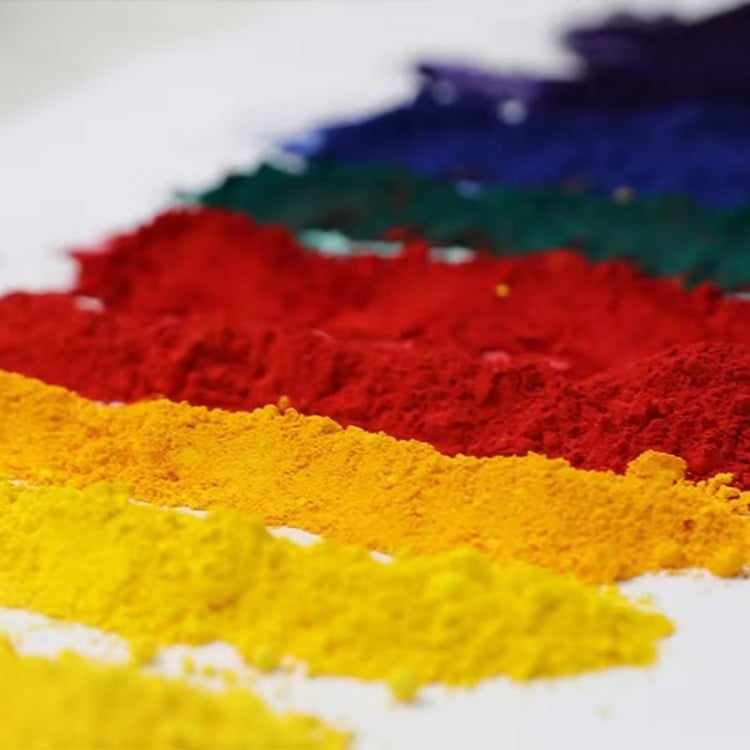
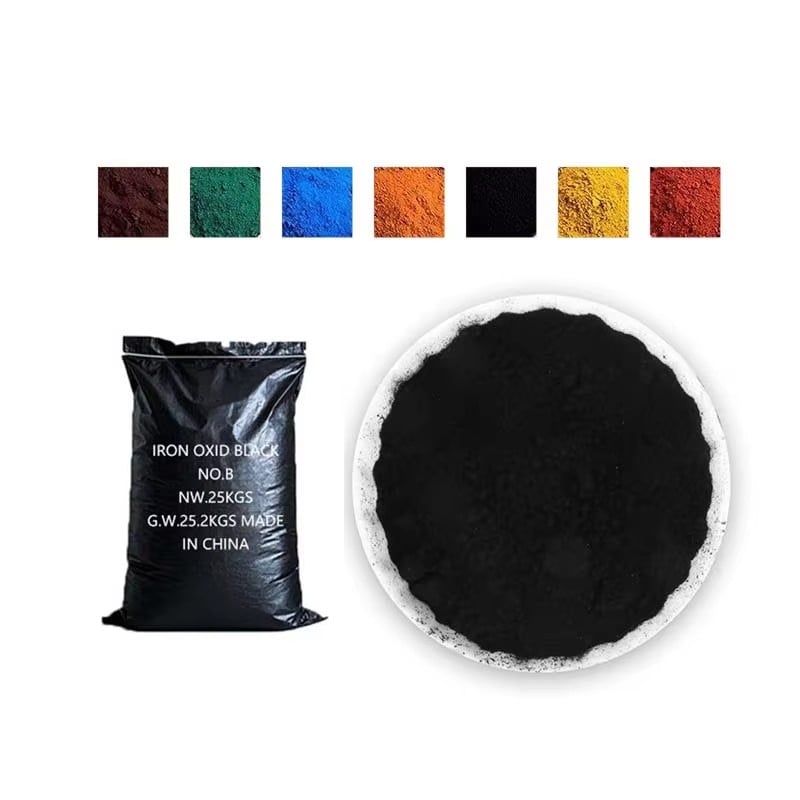
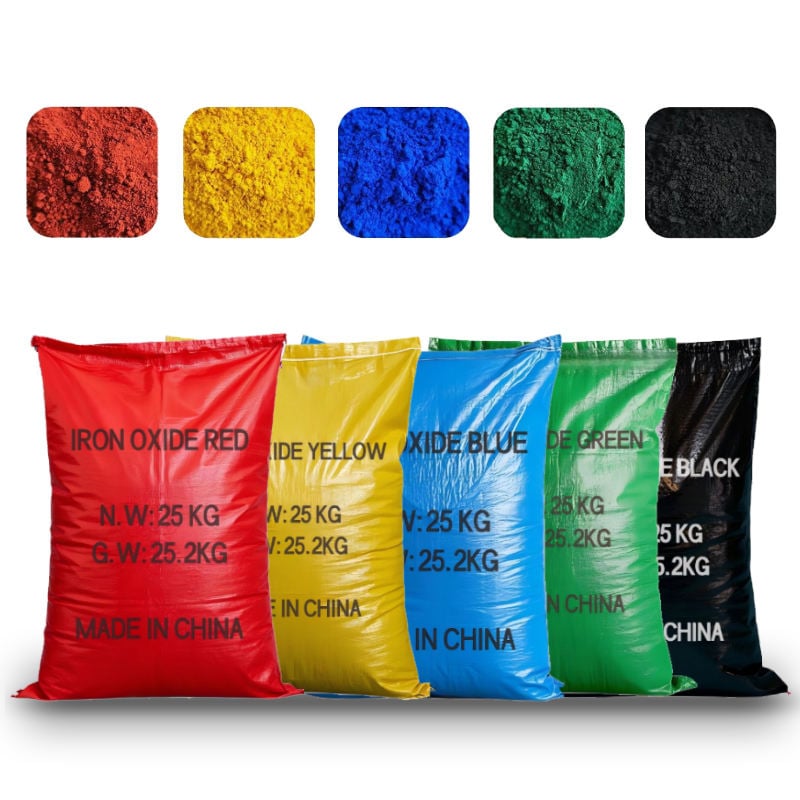
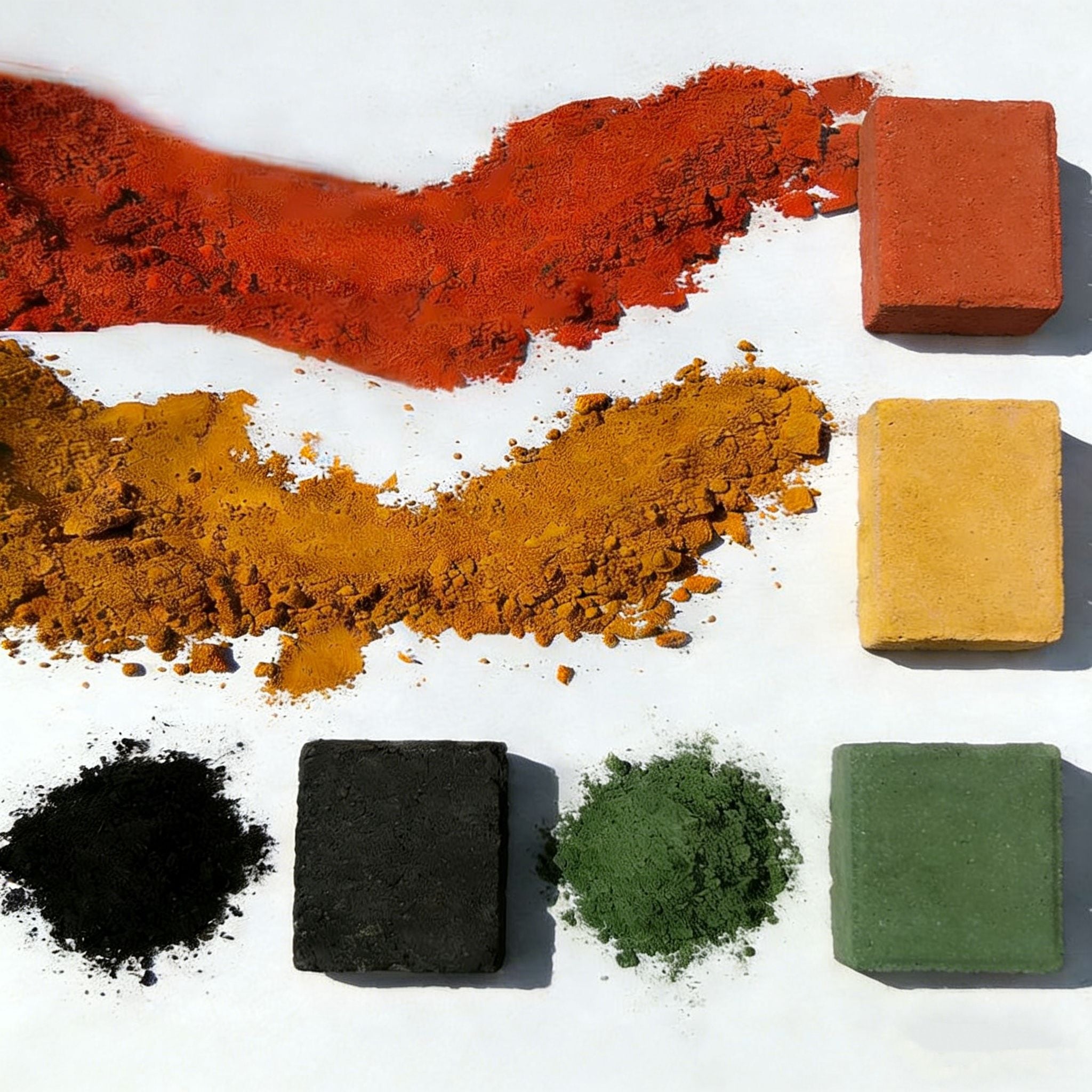
टायर निर्माण में, आयरन ऑक्साइड रंजक अकार्बनिक रंगद्रव्य होते हैं, जिनका उपयोग तब किया जाता है जब रबर के भागों को स्थिर रंग, ऊष्मा प्रतिरोध और दीर्घकालिक दृश्य स्थिरता की आवश्यकता होती है। सामान्य शेड में लाल, पीला, काला, भूरा और मिश्रित रंग शामिल हैं, जो लक्ष्य उत्पाद और रबर सूत्र पर निर्भर करते हैं।
मानक काले टायरों के लिए, आयरन ऑक्साइड को मुख्य प्रबलन भराव के रूप में गलत समझना नहीं चाहिए। काले रंग, प्रबलन, क्षरण प्रतिरोध और ट्रेड तथा साइडवॉल यौगिकों में कई यांत्रिक गुणों के लिए कार्बन ब्लैक अभी भी प्रमुख सामग्री है। यहाँ चर्चित रंगद्रव्य का एक अलग उद्देश्य है: रंग आधारित पहचान, दृश्य चिह्नित करना और दृश्य स्थिरता सुनिश्चित करना।
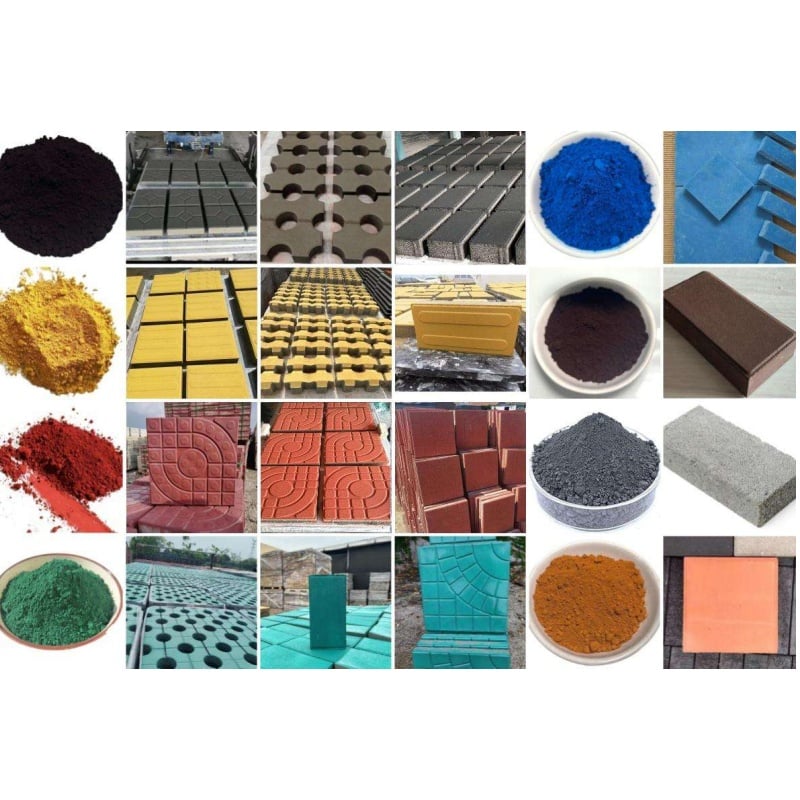
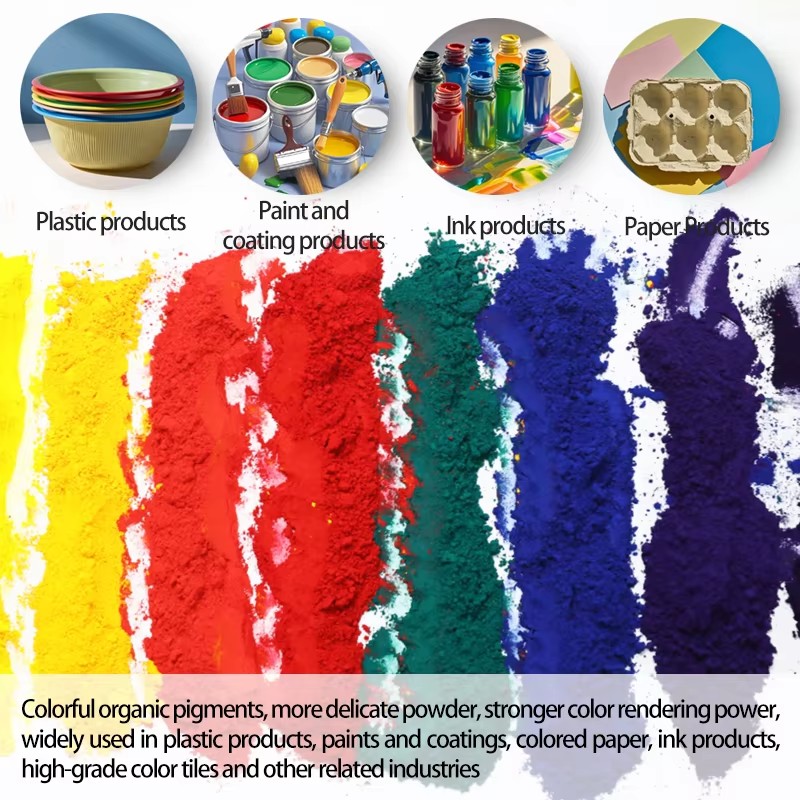
इसके बजाय, आयरन ऑक्साइड का उपयोग अक्सर टायर साइडवॉल की धारियों, रबर लेबल, रंगीन पहचान रेखाओं, गैर-काले रबर के भागों, रबर शीट्स, रबर मैट्स, औद्योगिक रबर घटकों और रंग मास्टरबैच प्रणालियों में किया जाता है। इन अनुप्रयोगों में, रंगद्रव्य को अच्छी तरह से फैलना चाहिए और दृश्यमान दोष उत्पन्न करने से बचना चाहिए।
क्योंकि आयरन ऑक्साइड अकार्बनिक है, यह आमतौर पर अच्छी ऊष्मा स्थायित्व, प्रकाश स्थायित्व, मौसम प्रतिरोधकता और रासायनिक स्थायित्व प्रदान करता है। ये गुण महत्वपूर्ण हैं क्योंकि रबर यौगिकों को उच्च प्रसंस्करण तापमान, वल्कनीकरण की गर्मी, बाहरी प्रकाश के संपर्क में आना, भंडारण के दौरान आयु बढ़ना और परिवहन के दौरान तनाव का सामना करना पड़ सकता है।
एक उत्पादन प्रबंधक आयरन ऑक्साइड को कार्यशाला में इसके व्यवहार के आधार पर मूल्यांकित करता है। मुख्य प्रश्न व्यावहारिक प्रकृति के होते हैं: क्या यह सुचारू रूप से फीड होता है? क्या यह समान रूप से मिश्रित होता है? क्या यह धूल उत्पन्न करता है? क्या यह मिश्रण चक्र को बढ़ा देता है? क्या एक्सट्रूज़न या क्योरिंग के बाद रंग के धब्बे बनते हैं?
आयरन ऑक्साइड की गुणवत्ता उत्पादन दक्षता को क्यों प्रभावित करती है
कम श्रेणी के आयरन ऑक्साइड के साथ पहली उत्पादन समस्या अक्सर खराब फीडिंग होती है। यदि चूर्ण आर्द्र, सघन या गाढ़ा हो, तो ऑपरेटरों को चार्ज करने से पहले गाँठों को तोड़ने के लिए अतिरिक्त समय की आवश्यकता हो सकती है। इससे मिश्रण प्रक्रिया धीमी हो जाती है और डोज़िंग की सटीकता कम हो सकती है।
लोहे के ऑक्साइड में नमी विशेष रूप से ऑटोमैटिक फीडिंग या वजन प्रणाली का उपयोग करने वाले संयंत्रों के लिए महत्वपूर्ण है। अधिक नमी के कारण ब्रिजिंग, चिपकना, असमान प्रवाह और गलत मापन हो सकता है। यहाँ तक कि छोटी गलतियाँ भी दृश्यमान रबर भागों में रंग के अंतर का कारण बन सकती हैं।
यदि लोहे के ऑक्साइड में कठोर समूह या मोटे कण हों, तो मिक्सर को उन्हें तोड़ने के लिए अधिक प्रयास करना पड़ेगा। इससे मिश्रण का समय, ऊर्जा का उपयोग, यौगिक का तापमान और ऑपरेटर द्वारा निरीक्षण की आवृत्ति बढ़ सकती है। एक उच्च-मात्रा वाले टायर कारखाने में, प्रति बैच कुछ अतिरिक्त मिनट एक गंभीर क्षमता समस्या बन सकते हैं।
स्थिर लोहे का ऑक्साइड अनावश्यक प्रक्रिया समायोजन को कम करता है। जब रंग का शेड, रंग देने की शक्ति, नमी और कण आकार स्थिर रहते हैं, तो उत्पादन टीम अधिक आत्मविश्वास के साथ स्वीकृत प्रक्रिया पैरामीटर का पालन कर सकती है। यह उत्पादन, गुणवत्ता नियंत्रण और सूत्रीकरण विभागों के बीच समन्वय को बेहतर बनाता है।
उच्च उत्पादन क्षमता वाले टायर संयंत्रों के लिए, आयरन ऑक्साइड का चयन केवल क्रय मूल्य के आधार पर नहीं, बल्कि कुल उत्पादन लागत के आधार पर किया जाना चाहिए। एक सस्ता रंजक अतिरिक्त कार्य, अस्वीकृत बैच, अतिरिक्त सफाई, विलंबित रिलीज़ या ग्राहक शिकायतों के कारण महंगा बन सकता है।
टायर-ग्रेड आयरन ऑक्साइड के प्रमुख आवश्यकताएँ
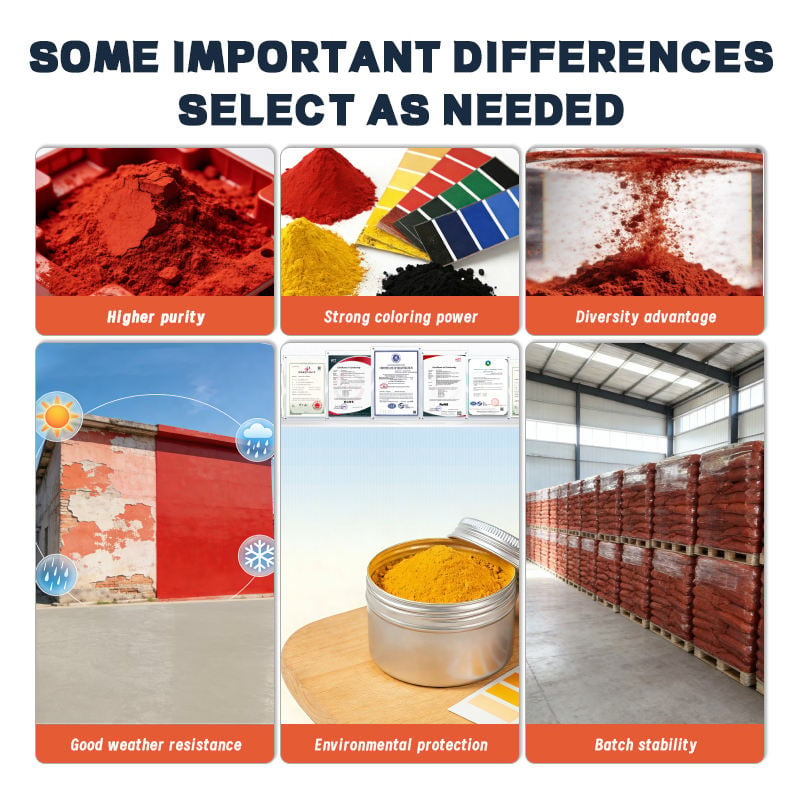
टायर-ग्रेड आयरन ऑक्साइड में स्थिर रंग और विश्वसनीय रंजन शक्ति होनी चाहिए। यदि एक ही मात्रा से एक बैच से दूसरे बैच में अलग-अलग रंग परिणाम प्राप्त होते हैं, तो कारखाने को सुधार और स्वीकृति के लिए अधिक समय व्यतीत करना पड़ता है। इससे देरी होती है और फॉर्मूला मानकीकरण कमज़ोर हो जाता है।
सूक्ष्म कण नियंत्रण आयरन ऑक्साइड को रबर मिश्रणों में अधिक समान रूप से वितरित होने की अनुमति देता है। अच्छा कण नियंत्रण रंगीन रबर स्ट्रिप्स, साइडवॉल विवरणों और मास्टरबैच अनुप्रयोगों में धारियों, धब्बों और असमान सतहों को कम करने में सहायता करता है।
लोहा ऑक्साइड में कम छनन अवशेष भी महत्वपूर्ण है। मोटे कण, रेत जैसे अशुद्धियाँ या कठोर अवशेष एक्सट्रूज़न, कैलेंडरिंग या वल्कनाइज़ेशन के बाद सतह की खामियों के रूप में प्रकट हो सकते हैं। वे फ़िल्ट्रेशन को भी प्रभावित कर सकते हैं या सटीक रबर उत्पादों में दृश्यमान खुरदुरापन उत्पन्न कर सकते हैं।
रंग स्थायित्व एक अन्य आवश्यकता है: लोहा ऑक्साइड को मिश्रण और क्योरिंग के दौरान दृश्यतः स्थिर रहना चाहिए। रबर यौगिकों में तेल, भराव सामग्री, त्वरक, सल्फर, एंटीऑक्सीडेंट और प्रसंस्करण सहायक हो सकते हैं, इसलिए रंगद्रव्य के प्रदर्शन का मूल्यांकन वास्तविक सूत्र में किया जाना चाहिए, केवल शुष्क चूर्ण के रूप में नहीं।
ऊष्मा स्थायित्व भी महत्वपूर्ण है क्योंकि लोहा ऑक्साइड वल्कनाइज़ेशन की स्थितियों से गुज़रता है। एक उपयुक्त रंगद्रव्य को क्योरिंग के बाद गहरा नहीं होना चाहिए, अप्रत्याशित रूप से रंग का विस्थापन नहीं करना चाहिए, या असंगत उपस्थिति नहीं बनानी चाहिए।
कम गुणवत्ता वाले लोहा ऑक्साइड की सामान्य समस्याएँ
कम गुणवत्ता वाले आयरन ऑक्साइड के कारण भंडारण के दौरान अक्सर केकिंग की समस्या होती है। नमी नियंत्रण में कमी या कमज़ोर पैकेजिंग के कारण पाउडर कठोर गाँठों में संकुचित हो सकता है। इससे फीडिंग की गति, तौल की शुद्धता और मिश्रण की एकरूपता प्रभावित होती है।
एक अन्य समस्या खराब विसरण है: आयरन ऑक्साइड के समूह यौगिक में बने रह सकते हैं और दृश्यमान बिंदुओं या रेखाओं के रूप में प्रकट हो सकते हैं। टायर के चिह्नों और रंगीन रबर घटकों के लिए, ये छोटी त्रुटियाँ उत्पाद को अस्वीकार करने के लिए पर्याप्त हो सकती हैं।
अस्थिर आयरन ऑक्साइड का रंग उत्पादन के बैचों के बीच रंग के अंतर का कारण बनता है। एक बैच में स्वीकार्य दिखने वाला साइडवॉल चिह्न या पहचान पट्टी दूसरे बैच में बहुत गहरा, बहुत हल्का, बहुत लाल या बहुत भूरा दिख सकता है। इससे गुणवत्ता नियंत्रण का कार्यभार और उत्पादन की अनिश्चितता बढ़ जाती है।
कुछ आयरन ऑक्साइड ग्रेडों में धूल का स्तर अधिक होता है, पीएच अस्थिर होता है, अशुद्धियों की मात्रा अधिक होती है या तेल अवशोषण असंगत होता है। ये कारक हैंडलिंग के आराम, यौगिक की श्यानता, मिश्रण के व्यवहार और सतह के दिखावट को प्रभावित कर सकते हैं।
लोहे के ऑक्साइड के लिए अनुपस्थित दस्तावेज़ एक और सामान्य समस्या हैं। टायर और रबर के ग्राहकों को अक्सर तकनीकी डेटा, सुरक्षा सूचना, ट्रेसैबिलिटी रिकॉर्ड और अनुपालन विवरणों की आवश्यकता होती है। इन दस्तावेज़ों के बिना, आगमन निरीक्षण और ग्राहक ऑडिट अधिक कठिन हो जाते हैं।
हेबेई तियानहुइबाओ लोहे के ऑक्साइड की आपूर्ति में सुधार कैसे करता है
हेबेई तियानहुइबाओ टेक्नोलॉजी कंपनी लिमिटेड उद्योगिक अनुप्रयोगों के लिए लोहे के ऑक्साइड रंगद्रव्य की आपूर्ति करती है, जहाँ स्थिर रंग, व्यावहारिक प्रसंस्करण और गुणवत्ता दस्तावेज़ीकरण महत्वपूर्ण हैं। टायर से संबंधित रबर निर्माण के लिए, ध्यान केवल रंग पर नहीं, बल्कि उत्पादन विश्वसनीयता पर भी केंद्रित होता है।
कंपनी नियंत्रित छाया, रंग तीव्रता, नमी और कण विशेषताओं वाले लोहे के ऑक्साइड ग्रेड पर ध्यान केंद्रित करती है। ये नियंत्रण रंग भिन्नता, खराब विसरण और अप्रत्याशित प्रक्रिया परिवर्तनों के जोखिम को कम करने में सहायता करते हैं।
नियंत्रित आर्द्रता लोह ऑक्साइड को फीड करने में आसान बनाती है और भंडारण के दौरान कठोर गांठों के बनने की संभावना कम करती है। यह उन कारखानों के लिए विशेष रूप से उपयोगी है जो निरंतर उत्पादन चलाते हैं या स्वचालित तौल प्रणालियों का उपयोग करते हैं।
स्थिर रंग-छाया और रंजक शक्ति लोह ऑक्साइड को अधिक स्थिर सूत्रों का समर्थन करने में सक्षम बनाती है। जब रंजक भरोसेमंद ढंग से व्यवहार करता है, तो उत्पादन टीमें परीक्षण-आधारित समायोजन कम कर सकती हैं, बार-बार सुधार के आवश्यकता से बच सकती हैं और बैच रिलीज़ की गति में सुधार कर सकती हैं।
रबर यौगिकों में लोह ऑक्साइड के उपयोग के लिए अनुप्रयोग सुझाव
पूर्ण उत्पादन में कोई नया लोह ऑक्साइड ग्रेड उपयोग करने से पहले, कारखाने को वास्तविक रबर पॉलिमर, भराव सामग्री, तेल, सेटिंग प्रणाली और प्रसंस्करण स्थितियों के साथ एक छोटे पैमाने का परीक्षण चलाना चाहिए। प्रयोगशाला में मंजूरी के बाद बड़े ऑर्डर के उत्पादन से पहले पायलट-पैमाने की मिश्रण प्रक्रिया की जानी चाहिए।
मिश्रण के दौरान, लोहे के ऑक्साइड को सीधे या पूर्व-विसरित मास्टरबैच के माध्यम से, यौगिक डिज़ाइन और उपकरण के आधार पर, मिलाया जा सकता है। मास्टरबैच विधि विसरण में सुधार कर सकती है और धूल को कम कर सकती है, लेकिन इसके लिए लागत और संगतता का मूल्यांकन भी आवश्यक होता है।
उत्पादन टीमों को यौगिक की सतह, कटी हुई सतह, एक्सट्रूडेड प्रोफ़ाइल और पके हुए नमूने का अवलोकन करके लोहे के ऑक्साइड के विसरण की जाँच करनी चाहिए। दृश्य निरीक्षण को एक स्वीकृत मानक के साथ रंग की तुलना द्वारा समर्थित किया जाना चाहिए।
वल्कनाइज़ेशन के बाद, लोहे के ऑक्साइड के प्रदर्शन का मूल्यांकन वास्तविक परिस्थितियों में किया जाना चाहिए। पकने, ठंडा होने, आयु बढ़ने या बाहरी प्रकाश के संपर्क में आने के बाद अंतिम रंग में परिवर्तन हो सकता है, इसलिए ताज़ा और आयु-प्रभावित दोनों नमूनों का मूल्यांकन किया जाना चाहिए।
लोहे के ऑक्साइड के लिए गुणवत्ता दस्तावेज़ और निर्यात सहायता
एक विश्वसनीय लोहे के ऑक्साइड आपूर्तिकर्ता को आवश्यकता पड़ने पर CoA, TDS, SDS या MSDS, विशिष्टता पत्रक, रंग छाया डेटा, रंग तीव्रता डेटा, नमी सूचना, छलनी अवशेष डेटा और भारी धातु परीक्षण रिपोर्ट जैसे दस्तावेज़ प्रदान करने चाहिए।
निर्यात के लिए, आयरन ऑक्साइड के शिपमेंट के लिए वाणिज्यिक चालान, पैकिंग सूची, बिल ऑफ लैडिंग, उत्पत्ति प्रमाणपत्र, गैर-खतरनाक प्रमाणपत्र, परिवहन स्थिति पहचान, और गंतव्य-विशिष्ट अनुपालन दस्तावेज़ों की आवश्यकता हो सकती है। आवश्यकताएँ बाज़ार, शिपिंग विधि और ग्राहक के विनिर्देश के अनुसार भिन्न होती हैं।
ऑटोमोटिव और रबर ग्राहक REACH, SVHC, RoHS, TSCA, PAHs या प्रतिबंधित पदार्थों से संबंधित आयरन ऑक्साइड अनुपालन समर्थन की भी मांग कर सकते हैं। ये दस्तावेज़ खरीद, गुणवत्ता नियंत्रण और विनियामक टीमों को आपूर्तिकर्ता की स्वीकृति पूरी करने में सुगमता प्रदान करते हैं।
टायर निर्माण के लिए आयरन ऑक्साइड पर अंतिम विचार
टायर उत्पादन प्रबंधकों के लिए, आयरन ऑक्साइड का मूल्यांकन केवल रंग विभाजक के रूप में नहीं, बल्कि उत्पादन सामग्रि के रूप में भी किया जाना चाहिए। सही ग्रेड फीडिंग, मिश्रण, विसरण, सतह की उपस्थिति, पके हुए रंग की स्थिरता, दस्तावेज़ीकरण और समग्र उत्पादन नियंत्रण में सुधार करने में सहायता कर सकता है।
सही आयरन ऑक्साइड का चुनाव करने से केकिंग, रंग के धब्बे, बैच में अंतर, पुनः कार्य और मंजूरी की देरी को कम किया जा सकता है, जबकि टायर मार्किंग, रंगीन रबर के भागों और रबर मास्टरबैच प्रणालियों के स्थिर उत्पादन का समर्थन किया जाता है।
 ×
×

 गर्म समाचार
 EN
EN