 EN
EN



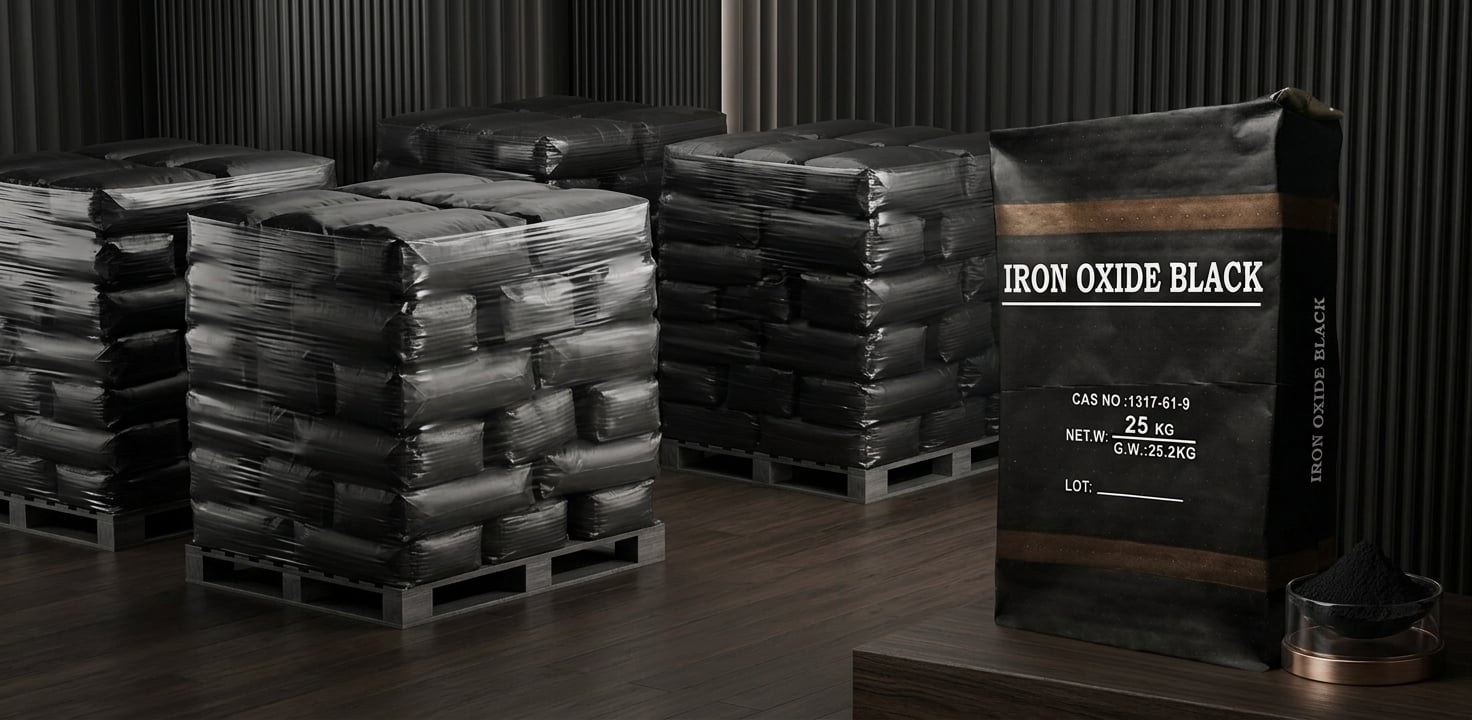



Crni pigmenti željeza: primarni pigmenti koji štite od korozije, asfalt, plastiku i tinte
Zašto crni željezni oksid umjesto ugljikovog crna?
Gdje se koristi crni željezni oksid: pet glavnih industrija
Što bi svaka industrija trebala zahtijevati od dobavljača Fe3O4
Dobavljač crnog željeznog oksida iz Hebei Tianhuibao
Zaključak o nabavi crnog željeznog oksida
Opis
Iron Oxide Black 330 je visokočisti, sintetički pigmentic željeznog oksida s dubokom, bogatom matom crnom bojom. Bez sivih ili plavih tonova, daje čistu i jednaku crnu nijansu koja poboljšava vizualni kvalitet gotovih proizvoda. S izvrsnom disperzibilnošću, visokom snagom toniranja i stabilnom čvrstošću boje, jedan je od najpouzdanijih crnih pigmenata za industrijske primjene.
Zašto crni željezni oksid umjesto ugljikovog crna?
Očito pitanje bilo kojeg formulatera: ugljikov crni je jeftiniji i crniji? Zašto uopće specificirati Fe3O4? Odgovor leži u četiri svojstva koje crni ugljik ne može pružiti:
Otpornost na vremenske prilike. Površine s pigmentiranim ugljikom crnim mogu izblijedjeti ili se osjedivati pod dugotrajnom izloženosti UV zračenju u kombinaciji s zagađivačima u zraku. Crna boja željeznog oksida dolazi od njegove kristalne strukture, a ne od organske ili elementarne površine - zadržava ton kroz godine rada na otvorenom. Zbog toga dominira u primjenama gdje se pigment nalazi blizu površine koja se prozreva: asfalt, krovne pločice, vanjski premazi.
Električna izolacija. Ugljik crna je provodljiva u nekim primjenama, diskvalificiraju u drugim. Kablovski poklopci, električne izolacijske komponente i mnogi plastični dijelovi zahtijevaju crni pigment koji ne ugrožava dielektrične performanse. Crni željezni oksid je neprovodnik, što ga čini standardnom crnom za kablovske obloge i izolacijske spojeve.
Pravilnik o čistoći. U nekim vrstama ugljikovog crnog ugljika postoje zabrinutosti zbog PAH-a (policikličnih aromatskih ugljikovodika) u primjenama koje se odnose na potrošače. Crni željezni oksid je inertni anorganski oksid s dugom poviješću sigurne uporabe razlog zbog kojeg ostaje podrazumijevana crna za igračke, pisarstvo i druge regulirane robu za potrošače gdje izvještaji o ispitivanju teških metala zadovoljavaju zahtjev za sukladnost.
Otpornost na alkali. U cementitnim sustavima (pH 1213), neki pigmenti se razgrađuju ili mijenjaju boju. Fe3O4 je kemijski stabilan u ovom okruženju, zbog čega se crni i tamno sivi beton, malteri i teraso oslanjaju na njega.
Jedno iskreno ograničenje oko kojeg bi formulatorci trebali planirati: mlaznost crnog željeznog oksida je nešto niža od ugljikovoga crna, a njegov toplinski strop određuje kemija Fe3O4 postupno se oksidira u crveni Fe2O3 na povišenim temperaturama. U skladu s člankom 3. stavkom 2. točkom (a) Uredbe (EZ) br. 1907/2006 Komisija je odlučila da se za proizvodnju plastike za koje se primjenjuje ovaj članak primjenjuje sljedeći postupak:
Gdje se koristi crni željezni oksid: pet glavnih industrija
1. za Protivkorozivni primeri i zaštitni premazi
Ovo je klasična aplikacija i još uvijek jedna od najvećih. Crni željezni oksid je dokazan pigment za anti-rust primere, pomorske premaze, čelik strukturne boje i industrijske obrambene premaze. Njegova vrijednost u zaštiti od korozije je dvostruka: pruža snažnu, UV-stabilnu moć skrivanja za primerski sustav, a njegova gusta, inertna struktura čestica jača barijernu funkciju premaznog filma.
Učinkovitost se mjeri u satima solnog prskanja. Epoxi i alkidi primeri formulirani željeznim oksidom rutinski postižu 1000+ sati otpornosti na solne prskalice (ASTM B117) uz pravilnu selekciju smole. U slučaju kupca koji nabavljaju Fe3O4 za zaštitne premaze, relevantne točke specifikacije su sadržaj Fe3O4 (tipke komercijalne vrste ≥ 94 - Što? 96%), apsorpcija ulja, finoća mlinka (Hegmanova ocjena) i sadržaj soli rastvorljive u vodi - Što? ako je u pigmentu previše rastvorljivih soli, ubrzat će se osmotički formiranje plikova ispod premaznog filma.
2. - Što? Bojeni asfalt i površina ceste
Crni i tamno tonirani asfalt možda zvuči nepotrebno. No Fe3O4 ima specifičan zadatak: produbljuje i standardizira ton boja i tamnih asfaltnih sustava, obojava bitumena veziva za autobusne trake, biciklističke staze i površine parkiranja i osigurava da boja površine ostane konzistentna dok se svjetlije frakcije vezivače odmaknu.
U asfaltnim aplikacijama raspodjela veličine čestica i apsorpcija ulja određuju koliko se pigment dobro dispergira u vezivač i koliko je opterećenja potrebno da se dostigne ciljani ton. Goruši razred crnog željeznog oksida (D50 oko 0,6 1,0 μm) s manjom apsorpcijom ulja obično je ekonomičan izbor za asfaltno djelo s velikim opterećenjem, dok finiji razred pruža dubinu tona pri manjoj dozi. Otpornost na alkali i sol za odlaženje leda čini Fe3O4 pogodnim za prometna okruženja gdje je površina izložena svemu, od spreja slanine do kapljica goriva.
3. Slijedi sljedeće: Plastika i guma: Masterbatch, kablovska obloga i gume
Za polimerne procesore, crni željezni oksid zauzima prostor gdje je vodljivost ugljikovog crna ili PAH profil problem:
- Spojni kablovi i žice nevodljivi crni pigment za slojeve za pokrivanje i izolaciju, gdje se dielektrični integritet ne može ugroziti.
- Četvrto masno mliječno ulje za vrtni namještaj, cijevi, uređaje za automobile i poljoprivredni film koji zahtijevaju dug životni vijek na otvorenom bez sijevenja.
- Gume profili za zatvaranje, crijeva i dijelovi guma kada je opcija bez ugljikove crne potrebne zbog kontrole tona ili regulatornih razloga.
Tipična opterećenja za duboke crne tonove u poliolefinima, PVC-u, ABS-u i gumenim spojevima iznose 13%, s zadržavanjem mehaničkih svojstava iznad 98% pri preporučenoj dozi. U slučaju da se ne primjenjuje primjena ovog članka, za određene vrste proizvoda, potrebno je utvrditi razinu i razinu uobičajene vrijednosti.
4. - Što? Tiskarski mastila i toner
Kombiniranje crnog željeznog oksida s visokom snagom toniranja, mogućnostima fine veličine čestica i kemijskom inertnošću čini ga idealnim pigmentom za štampanje mastila, posebno kada su otpornost na svjetlost i otpornost na rastvarače važniji od krajnje jetnosti. Njegov prirodni magnetizam također podržava funkcionalne primjene: magnetne sigurnosne mastile (autentifikacija novčanica i dokumenata) i formulacije kopira/laser tonera koriste posebno konstruirane magnetne željezne okside.
Za standardno nabavljanje tinte kupci određuju veličinu čestica (sub-0,3 μm razine za dubinu boje), ponašanje disperzije i konzistenciju snage tintiranja od serije do serije.
- Pet. Izgradnja: Tamni beton, krovne pločice i predizvrsno izlijevanje
Crni željezni oksid stvara ugljen, antracit i duboko sivu boju u prozirnim betonskim pavim, krovnim pločicama, terasu, umjetnom kamenu i predizvršenim arhitektonskim elementima. Doza obično iznosi 0,55% po masi cementa za sive tonove, s većim opterećenjem (do ~ 810%) za dubinu blizu crne. Njegova alkalna stabilnost u cementnoj matrici i 20+ godina trajanja boje u vanjskoj izloženosti razlozi su specifikatori ga odabiru nad organskim ili mješovitim alternativama.
Što bi svaka industrija trebala zahtijevati od dobavljača Fe3O4
Budući da se crni željezni oksid nalazi u mnogim industrijama, jedan generički datoteka ne odgovara svim kupcima. Uređivanje dokumenata u vaš zahtjev:
Za kupce premaza:
- U slučaju da se u skladu s člankom 6. stavkom 1. točkom (a) ovog članka primjenjuje sljedeći standard:
- U slučaju da se ne primjenjuje, u skladu s člankom 6. stavkom 2.
- Dokumentiranje toplinske stabilnosti u skladu s vašim rasporedom pečenja
Za kupce asfalta i građevinarstva:
- U slučaju da je primjena ovog standarda primjenjiva, primjenjuje se sljedeći kriterij:
- Potvrda otpornosti na alkali za upotrebu u cementu
- U slučaju da se u skladu s člankom 6. stavkom 1. točkom (a) primjenjuje sljedeći standard:
Za kupce plastike i gume:
- Podaci o toplinskoj stabilnosti potvrđeni pri stvarnoj temperaturi obrade to je najvažniji pojedinačni dokument za Fe3O4 u polimerima, s obzirom na rizik oksidacije u crveno iznad ~ 300 °C
- Izvješća o usklađenosti s teškim metalima (RoHS / EN71) za spojeve namijenjene potrošačima
- Uputstvo za kompatibilnost ili disperziju glavne serije za vašu nositeljsku smolu
Za sve kupce:
- Izjava o usklađenosti s REACH-om za pošiljke s ciljem EU-a
- U skladu s specifikacijama Fe3O4 ima dovoljno higroskopske količine vlage, što dovodi do nedostatka skladištenja i defekta u skupljanju i disperziji.
- Uređaj za proizvodnju proizvoda
Dobavljač crnog željeznog oksida iz Hebei Tianhuibao
U Hebei Tianhuibao Technology Co., Ltd. crni željezni oksid se proizvodi s dosljednim sadržajem Fe3O4 uz kontrolu kvalitete na razini serije, uz potporu COA-a i SDS/MSDS dokumentacije za svaku pošiljku. Naše vrste pigmenta služe cijelom spektru primjene opisanom goreanti-korozijski primerovi, obojeni asfalt, plastične glavne serije, tinte i konstrukcijske bojes dokumentiranjem o usklađenosti s REACH-om dostupnim za narudžbe u EU-u.
S 80,000tonske godišnje proizvodne kapacitete i izvozne operacije u 150+ zemalja, naša crna željezna oksida opskrba je izgrađena za multi-industrijski distributeri i krajnjih korisnika formulators zahtijevaju dosljednu, revizije spremna isporuka. U skladu s člankom 3. stavkom 1. stavkom 2. točkom (a) Uredbe (EZ) br. 1225/2009 Komisija je odlučila da odredi da se u skladu s člankom 3. stavkom 2. točkom (a) Uredbe (EZ) br. 1225/2009 odredi da se odredi da se odredi da se odredi da se odredi da se U skladu s člankom 3. stavkom 1.
Za pregled naših crnih razreda željeznog oksida ili zahtjev za usklađenost dokumentacije i uzoraka, istražite našu proizvodnu paletu željeznog oksida ili kontaktirajte naš tim izravno.
Zaključak o nabavi crnog željeznog oksida
Crni željezni oksid zaslužuje svoje mjesto u pet glavnih industrija ne zato što je najcrniji ili najjeftiniji pigment, već zato što je crni pigment koji kombinuje otpornost na vremenske uvjete, stabilnost na alkali, električnu izolaciju i čisti regulatorni profil. Za timove za nabavku, praktična disciplina nabavke je jednostavna: podudarajte razinu s aplikacijom, zahtijevajte dokumente o usklađenosti koji odgovaraju vašem tržištu u daljnjem prigu, i provjerite toplinsku stabilnost u odnosu na stvarne uvjete procesa prije razmnožavanja. U skladu s člankom 11. stavkom 1. točkom (a) Uredbe (EU) br. 600/2014 Komisija je odlučila o uvođenju mjera za utvrđivanje mjera za utvrđivanje mjera za utvrđivanje mjera za utvrđivanje mjera za utvrđivanje mjera za utvrđivanje mjera za utvrđivanje mjera za utvrđivanje