 ×
×

Dr. Emily Zhangová, vedoucí inženýrka pro formulace polymerů ve společnosti SafePack Solutions
Ve složitém světě inženýrství potravinového balení není barva nikdy jen estetickou volbou; je to chemický závazek vůči bezpečnosti. Jako inženýr formulací specializující se na vysoce výkonné polymery pro aplikace ve styku s potravinami je mou hlavní odpovědností nejen dosažení živého odstínu, ale také zajištění toho, aby materiály, které používáme, zůstaly neaktivní za nejnáročnějších podmínek. Pravou výzvou je právě místo, kde se protínají estetika a bezpečnost pro zdraví. Při výběru pigmentů pro aplikace, jako jsou uzávěry na lahve nápojů, obaly pro rychlé občerstvení nebo pekařský papír, pracujeme s přímým či nepřímým kontaktem s potravinami. V tomto kontextu je stabilita pigmentu rozhodující. Proto se konkrétní aplikace oxidu železnatého pro plasty určené pro potravinářské účely stala středobodem našich výzkumných a vývojových úsilí. Cílem je eliminovat jakékoli riziko migrace a zajistit, aby balení chránilo potraviny, aniž by je kontaminovalo.
Největší obavou jakéhokoli výrobce v odvětví potravinářského balení je migrace – přenos látek z materiálu obalu do potravinového výrobku. K tomuto může docházet například difuzí, zejména pokud jsou potraviny kyselé, mastné nebo zahřáté. Pokud pigment není chemicky stabilní, mohou se z něj uvolňovat ionty či částice, čímž se mění chuť, vzhled a bezpečnost potravin. Regulační orgány, jako je FDA (Úřad pro kontrolu potravin a léčiv) ve Spojených státech amerických a EFSA (Evropský úřad pro bezpečnost potravin) v Evropě, stanovily přísné limity celkové migrace i specifické migrace těžkých kovů. Dodržení těchto požadavků není dobrovolné – je to povolení k provozování podnikání.
Historicky mnoho výrobců zápasilo s nalezením pigmentů, které by splnily tyto přísné požadavky a zároveň poskytly požadovanou intenzitu barvy. Organické pigmenty, ačkoli jsou jasné, často postrádají tepelnou a chemickou stabilitu nutnou pro zpracování za vysokých teplot nebo dlouhodobé skladování. Právě zde vynikají anorganické pigmenty, konkrétně oxidy železa. Avšak ne všechny oxidy železa jsou stejně kvalitní. Otázka toho, co oxidu železnatého pro premium balení musí být zodpovězena s důrazem na čistotu a krystalickou strukturu. Standardní průmyslové třídy mohou obsahovat nečistoty, jako je olovo, arsen nebo rtuť, které jsou v materiálech určených pro kontakt s potravinami přísně zakázány. Navíc i v případě, že základní kov je bezpečný, povrchová chemie pigmentu může usnadnit migraci, není-li správně navržena. Proto je pochopení specifických vlastností oxidu železnatého pro citlivých aplikací klíčové pro každého formulátora.
Mnoho dodavatelů nabízí červené oxidy železa, které jsou vhodné pro stavební materiály nebo průmyslové nátěry, ale v případech kontaktu s potravinami zcela selhávají. Hlavní problémy vyplývají ze dvou faktorů: špatná odolnost vůči extrakci a nedostatečná čistota.
Za prvé si vezměte v úvahu prostředí uvnitř obalu pro rychlé občerstvení nebo víčka láhve s džusem. Tyto předměty jsou často vystaveny kyselým látkám, jako je rajská omáčka, citrusové džusy nebo ocet, stejně jako horkým olejům a tukům. Běžné barviva často mají nedokonalé krystalické mřížky nebo povrchové kontaminanty, které jsou citlivé na útok kyselin. Při expozici prostředí s nízkým pH se tato barviva mohou mírně rozpouštět a uvolňovat do potravin železité ionty nebo jiné související kovy. To nejen způsobuje změnu barvy potravin (což je závažná stížnost spotřebitelů), ale také vyvolává vážné zdravotní obavy. Nestabilita standardních oxidu železnatého pro univerzálních barviv je proto činí nevhodnými pro tyto agresivní chemické prostředí.
Za druhé výrobní proces pigmentů nižší kvality často ponechává zbytkovou vlhkost, povrchově aktivní látky nebo nereagované organické předlátky. V prostředí vysoké teploty při vstřikování nebo extruzi se tyto zbytky odpařují. To může vést ke dvěma problémům: vzniku dutin nebo bublin v plastové součásti, čímž se ohrožuje její mechanická pevnost, a uvolnění летuchých organických sloučenin (VOC), které způsobují nepříjemný zápach. U potravinového balení je přenos zápachu kritickým typem poruchy. Spotřebitelé odmítnou produkt, pokud balení voní po chemikáliích. Přítomnost těchto nečistot v běžných oxidu železnatého pro aplikacích není určena pro potravinářské účely a je proto pro náš průmysl nebezpečná a nepřijatelná.
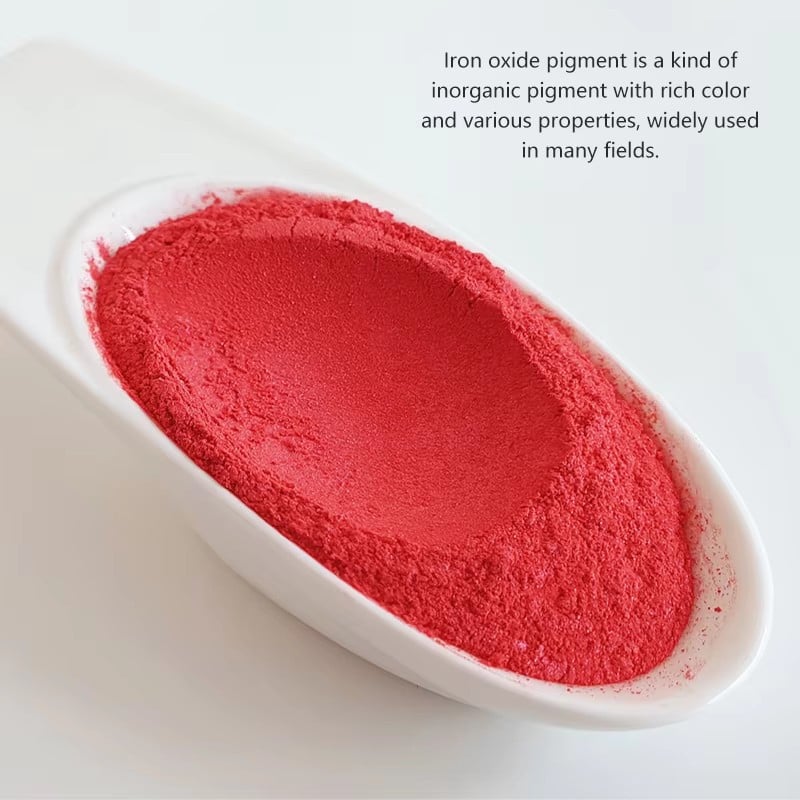
K vyřešení těchto výzev jsme zavedli speciální stupeň železnanového červeného pigmentu vyhovujícího požadavkům FDA. Tento pigment je navržen speciálně pro aplikace ve styku s potravinami s důrazem na dva klíčové parametry: extrémní chemickou neaktivitu a hlubokou čistotu.
Jádrem jeho bezpečnosti je technologie „krystalového uzamčení“. Prostřednictvím řízeného procesu žíhání se krystaly oxidu železitého vyvíjejí do dokonalé, husté struktury s minimálním počtem defektů. Tato pevná mřížka vykazuje vysokou odolnost vůči účinku kyselin, zásad a rozpouštědel. Dokonce i při simulovaných testech migrace s použitím kyseliny octové (3 %) nebo ethanolu (50 %) za zvýšené teploty je uvolňování látek z tohoto pigmentu zanedbatelné, tedy daleko pod detekčními limity moderních analytických přístrojů. Tato úroveň stability zajišťuje, že oxidu železnatého pro naše balení zůstává uzamčeno v polymerní matrici a nikdy neinteraguje s potravinami. oxidu železnatého pro zdraví zaměřená výroba.
Navíc náš dodavatel používá přísný protokol čištění po dokončení výroby. Barvivo je podrobeno několika fázím praní, filtrace a sušení za vysoké teploty, aby byly odstraněny veškeré rozpustné soli, těžké kovy a organické zbytky. Konečný produkt má extrémně nízkou elektrickou vodivost a obsah vlhkosti. Pokud je toto čištěné oxidu železnatého pro kompaundování přidané do polyolefinů, jako je PP (polypropylén) nebo PE (polyethylen), neuvádí žádné těkavé látky. Výsledné plastové díly jsou bez zápachu a bez chuti a splňují přísné smyslové požadavky na potravinářské obaly. Čistota této oxidu železnatého pro výroby zajišťuje, že konečný produkt je nejen vizuálně atraktivní, ale také hygienicky bezpečný.
Použití barviv vyhovujících požadavkům FDA není jen otázkou předcházení právním sporům; jde o budování důvěry značky. Spotřebitelé jsou stále více obeznámeni s materiály, které přicházejí do styku s jejich potravinami. Vyžadují transparentnost a bezpečnost. Použitím vysoce čistých oxidu železnatého pro kontakt s potravinami, můžeme své výrobky bezpečně označit jako „bez BPA“, „neškodné“ a „bezpečné pro potraviny“. Tato marketingová výhoda je v konkurenčním trhu značná.
Navíc dodržení předpisů zjednodušuje dodavatelský řetězec. Mnoho mezinárodních obchodních řetězců vyžaduje rozsáhlou dokumentaci, včetně záruk a zpráv o testování od akreditovaných laboratoří. Náš specializovaný pigment je dodáván s úplnou dokumentací o souladu s předpisy FDA 21 CFR 178.3297, která jej uvádí jako schválený barvivo pro polymery ve styku s potravinami. To eliminuje nutnost drahého a časově náročného nezávislého testování každé dávky. Spolehlivost oxidu železnatého pro našich formulací nám umožňuje zefektivnit procesy zajištění kvality a zkrátit dobu uvedení nových výrobků na trh.
Praktické výhody tohoto pokročilého pigmentu ilustruje nedávný projekt s vedoucím výrobcem nápojů.
Závěrem lze konstatovat, že výběr pigmentů pro obaly ve styku s potravinami je rozhodnutí, které má významné dopady na zdraví i právní oblast. Běžné průmyslové pigmenty nemohou splnit přísné požadavky na bezpečnost, stabilitu a čistotu, které klade současná legislativa. Použitím specializovaného, FDA-kompatibilního červeného oxidu železitého mohou výrobci zajistit, že jejich výrobky nebudou vykazovat riziko migrace, zápachu ani kontaminace.
Cesta od suroviny k hotovému balení je složitá, ale základem bezpečnosti je chemie použitých složek. Vysokoryzové oxidu železnatého pro plasty pro potravinářské účely nabízejí dokonalou rovnováhu mezi živými barvami a naprostou neaktivitou. Chrání integritu potravin i pověst značky. Jako inženýři a výrobci musíme dávat přednost materiálům, které splňují nejvyšší standardy ochrany zdraví. Pokračujme v inovacích s bezpečností na mysli a využívejme oxidu železnatého pro výjimečné kvality ve všech aplikacích. Budoucnost potravinářského balení je bezpečná, čistá a barevná díky pokročilým řešením oxidu železnatého pro řešení pro zítřek.
 Aktuální zprávy
2026-09-04
2026-01-03
2026-01-01
2026-01-07
 EN
EN