 ×
×

Od Marka Thorna, staršího inženýra pro formulace v Apex Polymer Solutions
Ve vysoce rizikovém prostředí průmyslové výroby je znám jev nazývaný „efekt zvětšení měřítka“. Je to noční můra každého formulárního inženýra: receptura, která v laboratoři funguje bezchybně a vyrábí živé, konzistentní barvy s dokonalými mechanickými vlastnostmi pouze z několika set gramů pigmentu, náhle selže při zvětšení na výrobu v tunových množstvích. Výsledkem je často katastrofální – posun barvy, neočekávané žloutnutí nebo výrazný pokles mechanické pevnosti. Jako inženýr, který strávil dvě desetiletí překlenováním mezery mezi výzkumnými laboratořemi a výrobními halami, jsem se naučil, že viníkem je zřídka samotná formulace, ale spíše nekonzistence surovin používaných ve velkém množství. To platí zejména při práci se složitými anorganickými pigmenty jako oxid železnatý zelený .
Přechod od úspěchu na laboratorním stolku k průmyslové realitě je místem, kde se mnoho projektů potýká s obtížemi. Klíčovým problémem je kontrola kvality průmyslových pigmentů v velkém balení. Když mluvíme o zvětšování měřítka, nemluvíme pouze o objemu; mluvíme o jednotnosti. Pokud surovina není na makroskopické úrovni homogenní, konečný výrobek nikdy nebude konzistentní. Tento článek zkoumá, jak vyšší úroveň kontroly kvality při balení a zpracování oxid železnatý zelený řeší kritické výzvy týkající se konzistence šarží a zvětšení formulace.
Jedním z nejrozšířenějších problémů v dodavatelském řetězci průmyslových pigmentů je mylné předpokladání homogenity v velkých baleních. Mnoho dodavatelů považuje tunové pytle pouze za pohodlné obaly pro logistické účely a plní je jednoduše tím, že do jednoho velkého pytle vyprázdní desítky menších pytlů po 25 kg. Tato primitivní metoda ignoruje jemné rozdíly, které vznikají během výroby. Dokonce i uvnitř jedné výrobní šarže se mohou v závislosti na tom, odkud byl prášek odebrán ze sila, mírně lišit velikost částic, obsah vlhkosti a odstín.
Když výrobce používá takové oxid železnatý zelený , čelí klamnému prostředí kontroly kvality. Vzorek odebraný z vrcholu tunového pytle může splnit všechny spektrální testy a ukázat dokonalý zelený odstín. Vzorek odebraný ze dna však může mít mírně odlišné rozdělení částic nebo jiný obsah vlhkosti. Pokud se tato nekonzistence oxid železnatý zelený je zaveden do dvoušroubového extrudéru pro nepřetržitou výrobu, tyto mikrovariace se hromadí. Výsledkem jsou viditelné pruhy, pruhování nebo periodické změny barvy ve výsledných plastových profilech. Pro formulátora je to nepřijatelné. Nelze optimalizovat proces, pokud se vstupní proměnná neustále mění. Nezachovaná konzistence standardních oxid železnatý zelený přeměňuje proces zvětšení měřítka na hazardní hru místo řízeného technického úkonu.
Kromě fyzických problémů s mícháním je kritickým, často opomíjeným faktorem chemická stabilita během skladování. Oxidy železa mají různý stupeň hygroskopickosti. V běžném velkém balení, které často postrádá účinné bariéry proti vlhkosti, oxid železnatý zelený je vystaveno okolní vlhkosti během dopravy a skladování. Postupně tak prášek absorbuje vlhkost, což vede ke vzniku tvrdých aglomerátů.
Tyto aglomeráty jsou nepřítelem povrchových úprav vysoce kvalitních výrobků. Při průmyslové nepřetržité extruzi nebo vstřikování jsou smykové síly vytvářené šroubem navrženy tak, aby rozmírnily jemné částice pigmentu. Často však nestačí k rozbití tvrdých shluků způsobených vlhkostí. Pokud tyto shluky oxid železnatý zelený projdou formovací hlavou, objeví se jako černé skvrny, gelové částice nebo povrchové vadné místa na konečném výrobku. Navíc přítomnost vlhkosti může u některých polymerových matric vyvolat hydrolytický rozklad, což v průběhu času vede k žlutnutí nebo křehkosti. To znamená, že i když byl oxid železnatý zelený výrobek dokonalý při opuštění továrny, špatné balení může jeho výkon zničit ještě před tím, než se dostane do dávkovacího zásobníku. Vzniklé vady nutí výrobce zvyšovat frekvenci filtrace, snižovat rychlost výrobní linky nebo likvidovat celé šarže, což výrazně negativně ovlivňuje rentabilitu.
Abyste vyřešili dilema škálování, musíme předefinovat, co tvoří průmyslový pigment vysoké kvality. Náš přístup k oxid železnatý zelený se zaměřuje na dva pilíře: absolutní homogenizaci a vynikající ochranu.
Za prvé zavádíme přísný proces homogenizace před odesláním. Předtím, než je jakýkoli oxid železnatý zelený zabaleno, prochází specializovaným homogenizačním silem. Tento systém zajišťuje, že každá částice v dávce je důkladně promíchána na molekulární úrovni. Produkt nezabalený tak, jak vychází z mlýnu; místo toho jej smícháme, abychom odstranili jakékoli prostorové rozdíly v odstínu, rozložení velikosti částic nebo barvivé síle. To znamená, že bez ohledu na to, zda vezmete vzorek z prvního nebo posledního kilogramu pytle o hmotnosti jedna tuna, jsou specifikace identické. Tato úroveň konzistence umožňuje formulátorům spolehlivě předpokládat, že výsledky z laboratorního měřítka budou v plné výrobní škále naprosto reprodukovatelné. Když používáte náš oxid železnatý zelený , tím eliminujete proměnnou nekonzistence surovin a můžete se zaměřit na optimalizaci procesu místo na řešení škod.
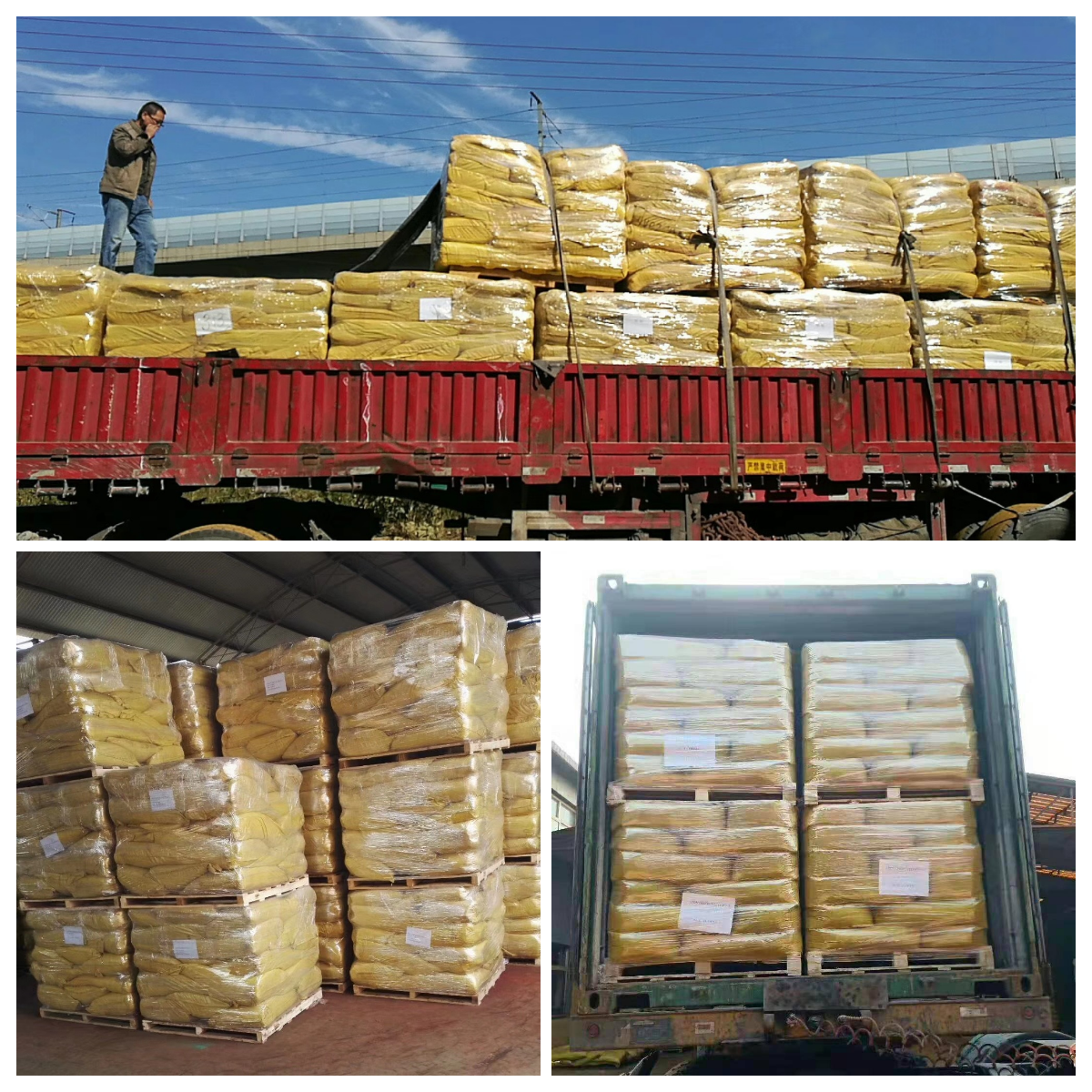
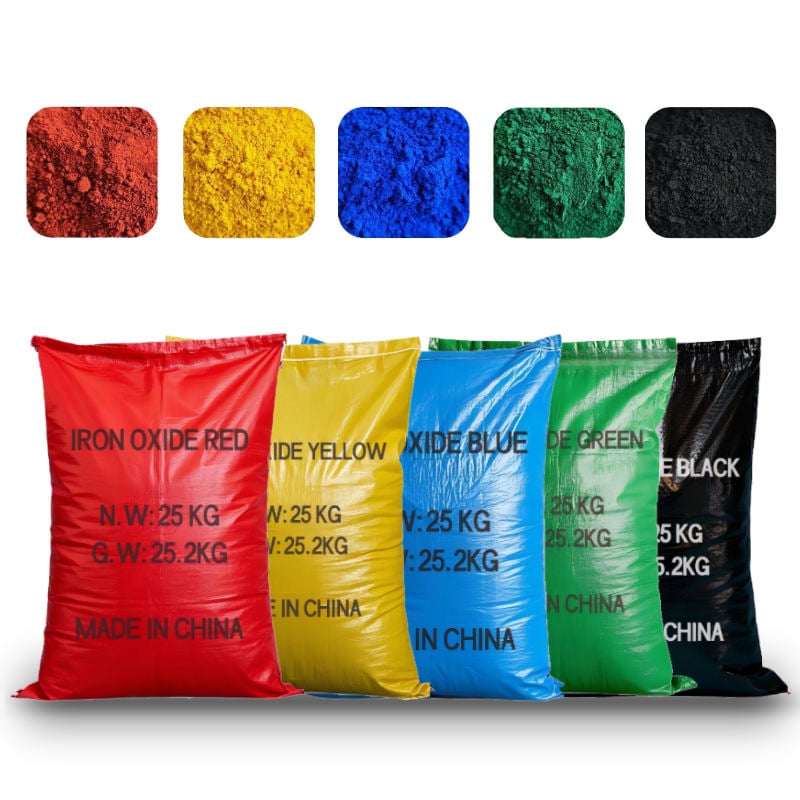
Za druhé řešíme problém vlhkosti pomocí pokročilé technologie balení. Naše průmyslové balení oxid železnatý zelený je vybaveno vícevrstvými vložkami z hliníkové fólie s vakuovým tepelným uzavíráním. Tato bariéra je nepropustná pro vlhkost i kyslík, čímž je zajištěno, že pigment zůstává v dokonalém, volně tekoucím stavu od chvíle, kdy opouští naše zařízení, až do okamžiku, kdy je vypuštěn do vašeho mixéru. Neexistuje žádné riziko slinování, tvorby tvrdých aglomerátů ani skryté vlhkosti. Navíc podléhá náš oxid železnatý zelený povrchové úpravě za účelem zlepšení jeho oleofilních („milujících olej“) vlastností. To zajišťuje, že při kontaktu s roztaveným polymerním materiálem pigment okamžitě smáčí a rovnoměrně se disperguje bez nutnosti nadměrného smykového napětí. Tato rychlá disperze brání lokálnímu přehřívání a zajišťuje, že živý zelený odstín je trvale zabudován do polymeru, čímž se zabrání žlutnutí nebo vyblednutí.
Abychom demonstrovali hmatatelný dopad tohoto přístupu, uveďme nedávný projekt s předním výrobcem architektonických plastových profilů.
Závěrem lze říci, že výzva zvětšování formulací není nepřekonatelná, vyžaduje však partnera, který rozumí fyzice objemových materiálů. Konzistence oxid železnatý zelený není luxus; je nezbytností pro moderní výrobu. Tím, že řešíme kořenové příčiny variability – důkladnou homogenizací a pokročilým vlhku odolným balení – umožňujeme inženýrům dosáhnout skutečného úspěchu při zvětšování výrobních šarží.
Když si vyberete náš průmyslově použitelný oxid železnatý zelený , vybíráte spolehlivost. Vyberete pigment, který respektuje integritu vašeho vzorce. Vyberete se také odstranění odhadů z vaší výrobní linky. Vzhledem k rostoucí poptávce po průmyslových výrobcích s vysokým výkonem a stálou barvou je důležitost vynikající kvality pigmentů nepřehnaná. Nechte oxid železnatý zelený být základem vašeho dalšího úspěšného uvedení produktu na trh. S vhodným materiálem zmizí rozdíl mezi laboratoří a výrobní halou a zůstane pouze dokonalost. Důvěřujte konzistenci oxid železnatý zelený a nechte své produkty mluvit za sebe.
 Aktuální zprávy
2026-09-04
2026-01-03
2026-01-01
2026-01-07
 EN
EN