 ×
×
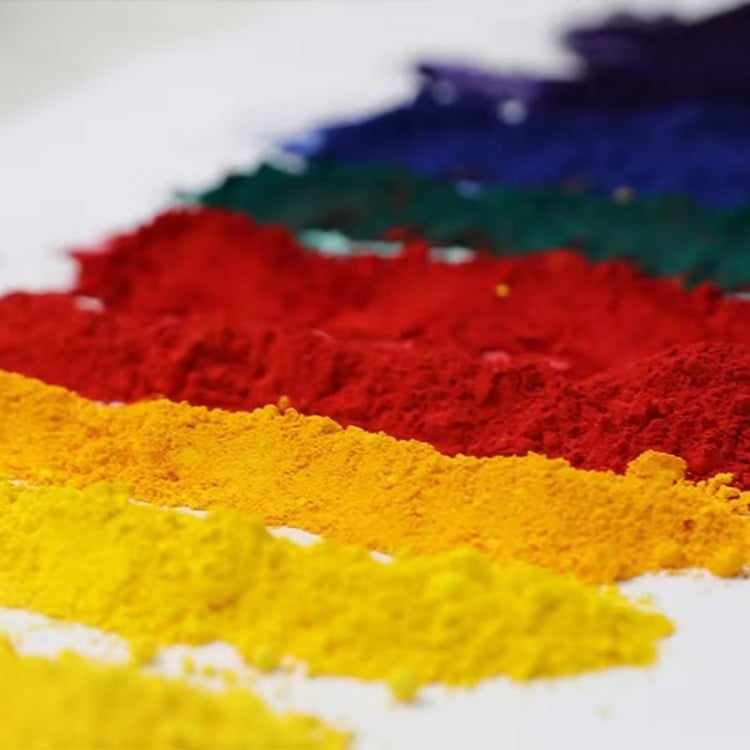
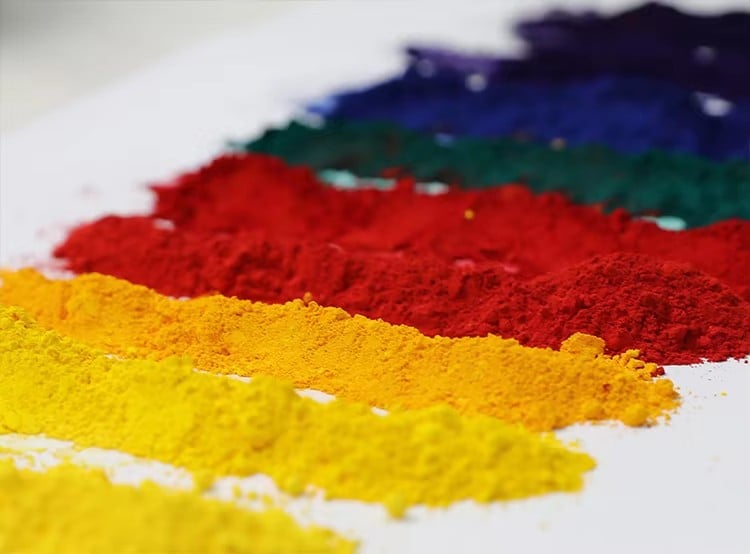
יצרני צביעה מאבדים אלפי דולרים מדי שנה בשל החלפת סיום צהוב שמאבד צבע על מבנים, גדרות ומדרכות. קרינה אולטרה סגולה מפרקת פיגמנטים סטנדרטיים תוך 12–18 חודשים, מה שגורם להוצאות חוזרות של צביעה מחדש ותלונות לקוחות. אוכסיד ברזל צהוב 313 משנה לחלוטין את המשוואה הזו. כיצרן סיני עם 25 שנות ניסיון בעיבוד פיגמנטי אוכסיד ברזל, חברת Hebei Tianhuibao Technology Co., Ltd. מפתחת את אוכסיד הברזל הצהוב 313 עם מבנה 결정ני שמשמר את הבהירות הצהובה-לימונית עדינה לאורך שנים של חשיפה לשמש .
מפעלי צבעים מקצועיים מציינים את חומר הצבע חלדית אוקסיד צהוב 313 לקירות פנימיים, חזיתות חיצוניות ולבטונים דקורטיביים בשל עמידותו לאור (lightfastness) שמסתכם בדרגה 6–7 (ISO 105-B02), מה שמעל בהרבה את הצבעים האורגניים הצבועים שמתפוגגים לצבע בז' או לגוון בז' אפרתי. בסיס הייצור שלנו, ששטחו 15,000 מטר רבוע, מספק 50,000 טון ואילך מדי שנה ליותר מ-150 מדינות, תחת אישורים של ISO 9001, REACH ו-RoHS. מדריך זה חושף במפורש מדוע חלדית אוקסיד צהוב 313 עמידה בפני פגיעה באור UV באמצעות עיצוב מולקולרי, בדיקות בשטח וביצועי צבע אמיתיים — ובכך חוסכת לכם כאבי ראש בתחום התחזוקה ומשמרת את שולי הרווח שלכם.
אנשי מקצוע בתחום הבנייה וצבעים שקוראים את המדריך הזה זוכים לתובנות יישומיות שמאפשרות להם לבחור בביטחון את חלדית אוקסיד צהוב 313 לפרויקטים הדורשים עמידות בצבע לאורך זמן, ללא זוהר מיותר או קשיחות חזקה מדי. גלו את המדע והכלכלה שעומדים בבסיס העמידות לאור UV, אשר שומרים על הצבע הצהוב שלכם ברק.
צבעים אורגניים צהובים סטנדרטיים מסתמכים על מולקולות מורכבות מבוססות פחמן שפוטונים של UV שוברות בקלות. תוך חודשים בודדים של חשיפה בחוץ, הכרומופורים מתפרקים, והצבע משתנה מצהוב זוהר לצבע קרם עמום או גוון ורדי. יצרני צבעים מדווחים על עלייה בשיעור הדיווחים לצביעת מחודשת ב-25–35% כאשר משתמשים באופציות אורגניות, במיוחד בקירות הפונים לדרום או בקרומים לגגות.
הצהבהב חמצן ברזל 313 משתמשת בגואיטיט סינטתי (α-FeOOH) עם רשת 결정ית טטרגונלית שמתנגדת באופן טבעי לפירוק פוטוכימי. המבנה האנאורגני הזה אינו כולל קשרים כפולים שבירים כמו במולקולות האורגניות, ומקבל דרגת עמידות לאור 6–7, לעומת דרגה 3–4 עבור צבעים צהובים מסוג אזו או די אריליד. יצרנים שעברו לשימוש בצבע הצהבהב חמצן ברזל 313 קיצרו את מחזורי הצביעה המחודשת מ-18 חודשים ל-5 שנים ומעלה.
המערכת הגבישית הטטרגונלית של פיגמנט חמצן הברזל הצהוב 313 מייצבת את הקשרים בין ברזל לחמצן באופן אופטימלי נגד אורכי הגל של קרני ה-UV (290–400 ננומטר). כל יחידת רשת סולידית סופגת את אנרגיית הפוטונים דרך רטט הרשת, ולא באמצעות שבירת קשרים מולקולריים, ובכך מפיצה את החום ללא נזק. לעומת זאת, פיגמנטים אורגניים מעבירים אנרגיה זו ושוברות את הקשרים בין אטומי הפחמן בצורה בלתי הפיכה.
החשיפה בשטח מוכיחה את העליונות: בדיקות QUV-A של יותר מ-1,000 שעות מראות ש-ΔE < 2.0 עבור צבע הירוק החמצני 313 לעומת ΔE > 8.0 למדגמים האורגניים. צבענים מסחריים מאוסטרליה דיווחו על ביצועי סידור גגות לאורך 3 שנים: צבע הירוק החמצני 313 שמר על 97% מהכרומה, בעוד שהמתחרים איבדו 62%.
בישומים פנימיים, יציבות זו מונעת נדידה לתוך אזורים לבנים סמוכים, ומשמרת חלוקת צבעים חדה – דבר חיוני למרחבים מודרניים למגורים וללימודים. יצרני מטבחים מציינים את הצבע הירוק החמצני 313 לדיוקנות ארונות בשל חוזק הדבקה שמעל 1.5 MPa (ASTM D4541) גם לאחר מחזורי ניקוי.
מרכז המחקר והפיתוח שלנו משפר מדי שנה את המורפולוגיה البلורית, ויוצא עם 2–3 גרסת אופטימיזציה. שיפורים אחרונים הגבירו את הבליעה באולטרה סגול ב-12% באמצעות הנדסת משטח ננו, מה שמרחיב עוד יותר את תקופת השירות.
תחמוצת הברזל הצהובה 313 מתפזרת באופן חלק באלקיליות אקריליות, ומשמרת יציבות אחסון של 18 חודשים ומעלה. עובי שכבת הסידור 80–120 מיקרומטר משיג כוח סתר חזק השווה לזה של פיגמנטים אורגניים בעלי ריכוז גבוה יותר, ומצריך צמצום עלות החומר ב-18–22%.
אינертיות כימית גבוהה מסייעת למנוע הבהוב הנגרם מייבוש חמצוני. התאמה לטווח pH של 6–8 מונעת גלגול בנוסחאות עם תקופת אחסון ארוכה, שכיחה בדקים אדריכליים.
יציבות תרמית ל -180 °C מבטיחה נאמנות צבע באמצעות מחזורים של טיפול. יצרנים מדווחים על תרומה אפס של VOC, תומכים באישור בניינים ירוקים.
החלפה של 2–4% בסמנט מספקת צבע לימון אחיד במיזוגי בטון בעוצמה של 25 MPa. אין עיכוב בתהליך הקיפוי או ירידה בעוצמה (עוצמת לחיצה: 98–102% של הבדיקה הבקרה).
|
סוג הציפוי |
כישלון של פיגמנט צהוב אורגני |
ביצועי תחמוצת הברזל הצהובה 313 |
|
צבע לטקס |
מתבלה תוך 18 חודשים |
5 שנים ומעלה, שינוי צבע (ΔE) קטן מ-2.0 |
|
כיסוי גג |
שנת החריטה הראשונה |
שימור כרומה של 97% אחרי שנה שלישית |
|
צופת פואדר |
הצהבה באף |
יציבות צבע עד 180°מ |
|
בטון |
הגרעה משטחית |
אחידות של 25 MPa |
פנים מגורים: חדרי מגורים זוכים לחום שמשי ללא הבוהק. קירות תצוגה בצבע צהוב חומץ ברזל 313 שומרים על בהירותם גם לאחר מחזורי ניקוי (יציב בטווח pH 6–8), בניגוד לצבעים הצהובים האורגניים שנשטפים בעת ניקוי.
מרחבי חינוך: קירות בגנים ילדים יוצרים אטמוספרה ידידותית ללמידה. התאמה לתקנים EN 71-3 ו-ASTM F963 מבטיחה בטיחות ילדים, בעוד שהעמידות לאור השמש תומכת מחזורי צביעת חידוש של 7 שנים.
מטבחים מסחריים: לוחות הדגשה עמידים לשומן ומנקים נייטרליים. הדבקה של יותר מ-1.5 MPa מונעת התנתקות תחת רמת לחות גבוהה.
בטון אדריכלי: לוחות דקורטיביים משיגים גוונים טבעיים של האדמה. כמות הוספה של 2.5–3.5% ממשקל הצמנט מספקת אטימות בעומק של 50 מ"מ.
חברת Hebei Tianhuibao Technology Co., Ltd. סיפקה 300 טון לתחדיש בית ספר באירופה: ניטור בן שנתיים אישר ממוצע של ΔE 1.4 על פני 47 קירות. צוותי התיקון ביטלו לחלוטין את השימוש בתיקונים בצבע צהוב.
בניגוד לצבעים צהובים אורגניים שמשחררים כרומופורים, פחמן חמצני צהוב 313 נשאר כימיית מקושר. ניתוח ICP-MS מאשר שהמתכות הכבדות נמצאות מתחת לרמת זיהוי:
|
מתכת |
גבול (ppm) |
אكسיד ברזל צהוב 313 |
|
עופרת |
<90 |
<10 |
|
קדמיום |
<75 |
<5 |
|
כרום VI |
<5 |
ו |
|
מרcury |
<2 |
ו |
חיסכון בחומרים: העמסה נמוכה ב-15–20% לעומת אורגניות (2.5% לעומת 3.2%)
צמצום עבודה: מספר שכבות קטן יותר כדי להשיג את העכירות הרצויה
ביטול תחזוקה: הארכת מחזור הדיוור מחדש ב-60–70%
הרחבת תקופת האחריות: 5–7 שנים לעומת 2 שנים אצל מתחרים
מינימום הזמנה של 25 ק"ג לניסויים ניתן להרחיב באופן חלק למספר טונות. חברת Hebei Tianhuibao Technology Co., Ltd. מספקת מלאי תוך 3–5 ימים, ומזמנות מותאמות תוך 7–15 ימים באמצעות תשלום ב-T/T. דוגמיות חינמיות בגודל 50–100 גרם מאפשרות לבדוק את הביצועים לפני כל מחויבות.
צבענים מדווחים כי אוקסיד הברזל הצהוב 313 משנה את המשימות הבעיות. יצרני צבעים לسقوפים הצליחו לבטל 28% מהעבודות שחוזרים עליהן. קבלנים פנימיים זכו לתעריפי פרימיום עבור מערכות "בלתי רגישות לעישון". יצרני בטון קבעו שימוש בצבע צהוב כהדגשה ללא פגיעה בחוזק.
היכולת לעקוב אחר כל партиיה ב-100% מקשרת כל משלוח עם מדגם מעבדתי, ובכך מונעת סיכונים של שונות. בקרת איכות חמישה שלבים מזהה פגמים לפני המשלוח.
אكسיד ברזל צהוב 313 מספק עמידות מוכחת ל־UV באמצעות הנדסת גבישים ואימות שדה חברת Hebei Tianhuibao Technology Co., Ltd. מספקת למקצוענים בתחום الطلاء ביצועים אמינות של צבע צהוב לימון הן לפנים והן לחוץ.
בקשו דוגמיות חינמיות, גיליונות נתוני טכניים או תעריפי נפח. בדקו את אקסיד הברזל הצהוב 313 מול הצבע הצהוב הנוכחי שלכם — חוו את הבהירות שנותרת לאורך זמן.
 חדשות חמות
2026-09-04
2026-01-03
2026-01-01
2026-01-07
 EN
EN