 ×
×
In the highly competitive landscape of modern ceramics, color consistency is not merely an aesthetic preference; it is a critical determinant of brand reputation, customer satisfaction, and operational profitability. For iron oxide manufacturers, the demand for precise, reproducible color in fired ceramic products has never been higher. However, achieving this precision requires more than just high-quality raw materials; it demands a rigorous, scientifically grounded testing protocol. This article outlines a comprehensive approach to fired ceramic color quality testing, emphasizing objective quantification through advanced instrumentation, specifically focusing on the dual-mode capabilities of SCI (Specular Component Included) and SCE (Specular Component Excluded) measurements.
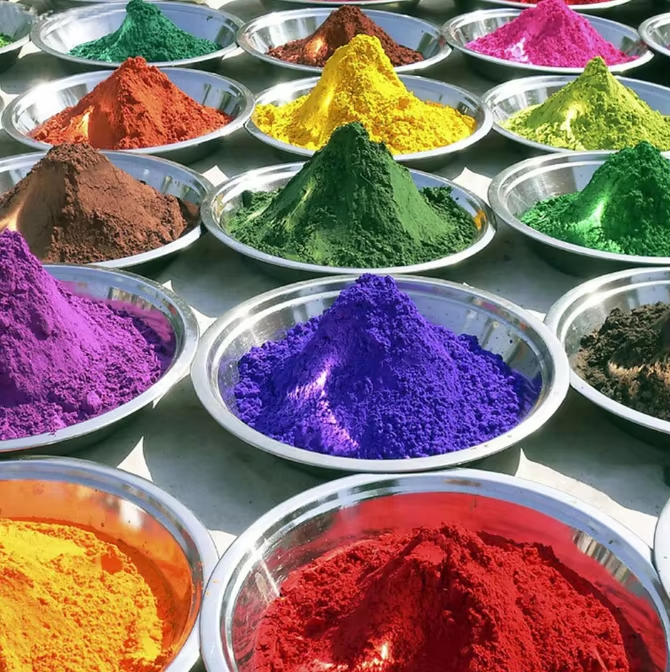
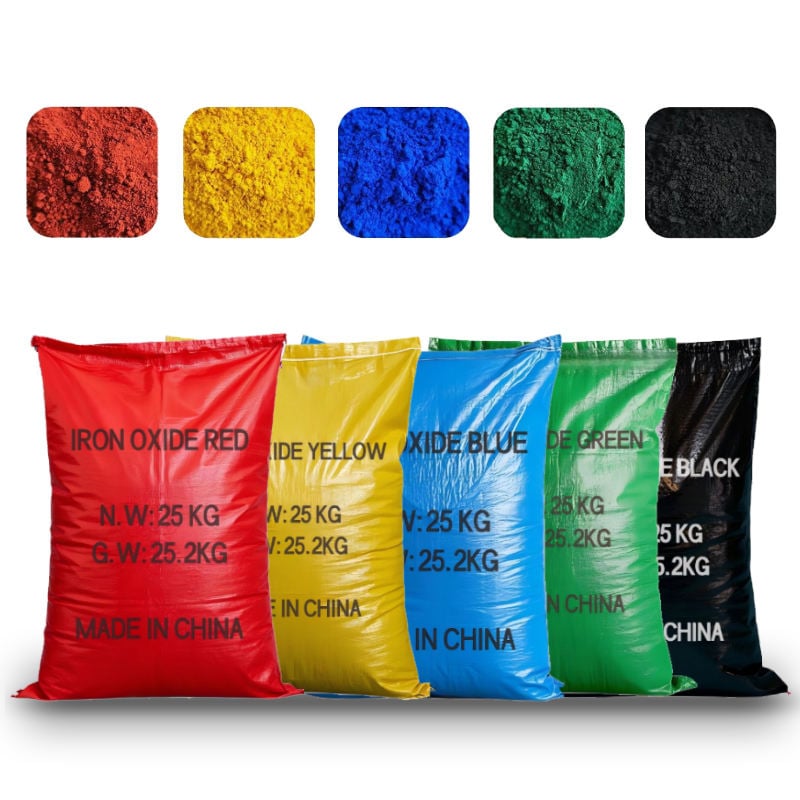
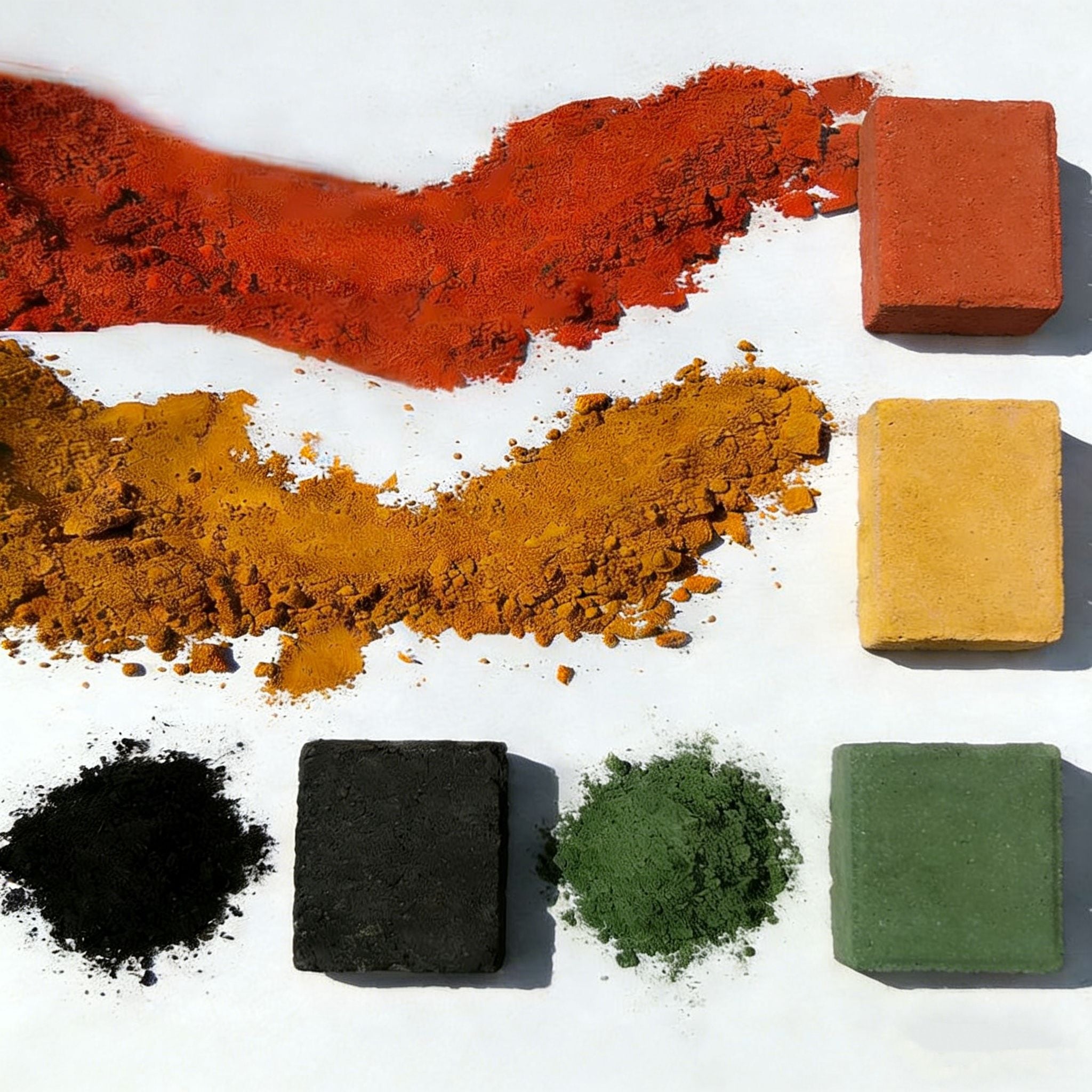
Iron oxides are the backbone of the ceramic pigment industry. As primary coloring agents, they provide the rich reds, yellows, browns, and blacks that define architectural tiles, sanitary ware, and decorative ceramics. For iron oxide manufacturers, the challenge lies in ensuring that their pigments perform consistently under varying firing conditions. Even minor deviations in particle size distribution, chemical purity, or crystal structure can lead to significant color shifts after firing. Therefore, a robust quality testing protocol is essential for iron oxide manufacturers to guarantee product reliability.
Traditionally, color assessment in the ceramic industry relied heavily on visual inspection under standard light sources. While human vision is sophisticated, it is subjective and prone to fatigue, lighting variations, and individual perceptual differences. To overcome these limitations, the industry is shifting towards instrumental color measurement. This shift allows iron oxide manufacturers to translate subjective visual perceptions into objective, numerical data, such as CIE Lab* values, enabling precise communication and quality control across the supply chain.
From the perspective of a Quality Control (QC) Manager, the traditional approach to ceramic color management is fraught with inefficiencies, primarily stemming from inconsistent raw materials. Most issues arise because standard pigments lack the stability required for modern, high-speed production. Our premium raw materials are engineered from the source to eliminate these common pitfalls.
The most significant pain point in traditional manufacturing is reaction lag. With inferior pigments, color deviations are often only identified after the products have exited the kiln. By this stage, the energy has been consumed, and the products are either finished or scrapped. For iron oxide manufacturers, supplying unstable pigments means their clients face large-scale reworks or disposals, resulting in substantial financial losses. Our raw materials are designed for predictable thermal behavior, allowing for accurate color prediction before firing. This proactive approach ensures that iron oxide manufacturers’ clients can adjust parameters in real-time, preventing waste before it occurs.
Another major issue is the isolation of quality data, often exacerbated by inconsistent raw material performance. When pigments vary unpredictably, measurement results become noisy and difficult to correlate with process parameters. This creates "data silos," where color data is disconnected from the broader production management system. Without reliable input data, iron oxide manufacturers’ clients cannot effectively correlate color deviations with specific changes in firing curves or other variables. Our consistent pigments provide a stable baseline, allowing for clean, actionable data integration. This enables iron oxide manufacturers to support their clients in building cohesive, data-driven production environments.
Our solution transforms quality control from a reactive checkpoint into a proactive strategic asset. Because our pigments offer superior batch-to-batch consistency, measurement data can be directly linked to specific production batches, forming a traceable quality archive. When a deviation does occur, users can quickly retrieve historical data to determine whether the issue stemmed from a specific batch of raw materials or a fluctuation in the firing curve. This level of insight enables iron oxide manufacturers’ clients to optimize their production processes systematically, moving from "post-event inspection" to "pre-event prevention." By leveraging this data, iron oxide manufacturers help their partners achieve continuous improvement and superior product consistency.
A cornerstone of our testing protocol is the utilization of both SCI (Specular Component Included) and SCE (Specular Component Excluded) measurement modes. Understanding the difference between these two modes is crucial for iron oxide manufacturers aiming for objective color quantification.
By employing both modes, our protocol provides a comprehensive analysis. SCI ensures the intrinsic quality of the iron oxide pigment, while SCE validates the aesthetic appeal of the final ceramic product. This dual approach allows iron oxide manufacturers to distinguish between issues related to pigment chemistry and those related to surface finish, leading to more targeted and effective corrective actions.
Date: March 15, 2023
Location: Jingdezhen, Jiangxi Province, China
Case Name: Implementation of Predictive Color Control for High-End Tile Production
Challenge:
Jingdezhen Ceramics Co., a leading producer of premium porcelain tiles, faced recurring issues with color inconsistency in their new "Terracotta Red" series. The variability was traced back to slight fluctuations in the iron oxide supply from previous vendors. Traditional QC methods detected these variations only after firing, leading to a 12% rejection rate and significant downtime.
Solution:
The company switched to our high-stability iron oxide pigments and implemented our Fired Ceramic Color Quality Testing Protocol, utilizing our dual-mode SCI/SCE spectrophotometer. They integrated the device into their raw material mixing stage and pre-fired billet inspection.
Results:
This case exemplifies how a robust testing protocol, supported by high-quality raw materials, can drive tangible business results. For iron oxide manufacturers, partnering with clients who adopt such protocols leads to stronger relationships and reduced liability.
In conclusion, the Fired Ceramic Color Quality Testing Protocol represents a paradigm shift in how color quality is managed in the ceramic industry. By leveraging SCI and SCE dual-mode technology, addressing the limitations of traditional QC, and embracing data-driven decision-making, iron oxide manufacturers can achieve unprecedented levels of precision and efficiency. As the industry continues to evolve, the ability to objectively quantify color will remain a key differentiator for success. For iron oxide manufacturers, adopting this protocol is not just an investment in technology; it is an investment in quality, reliability, and customer trust. By working together with iron oxide manufacturers to implement these standards, the entire ceramic supply chain can benefit from reduced waste, improved sustainability, and superior product quality. The future of ceramic color control is here, and it is defined by precision, connectivity, and proactive management, driven by the commitment of leading iron oxide manufacturers to excellence. Through consistent, high-performance pigments, iron oxide manufacturers empower their clients to achieve blind faith in every fired piece, ensuring that color is never a variable, but a constant promise of quality.
 Hot News
2026-09-04
2026-01-03
2026-01-01
2026-01-07
 EN
EN