 ×
×
In the procurement of industrial inorganic pigments, buyers often assume that iron oxide pigments are standardized commodities. On paper, the specifications may appear similar across suppliers: similar iron content, comparable color indices, and broadly consistent particle sizes. Yet procurement professionals working in coatings, construction materials, plastics, and asphalt quickly discover a critical reality—products sourced from different production scales can behave very differently in real-world applications.
When a pigment batch causes color deviation in a coating system or inconsistent tone in architectural concrete, the downstream consequences are immediate and costly. Production lines must be recalibrated, finished products may be rejected, and customer trust can erode quickly. In many of these cases, the root cause is not the pigment formulation itself but the stability of the manufacturing system behind it.
This is where production scale becomes decisive. In the industrial inorganic pigments sector, scale is not merely a measure of annual output; it reflects the maturity of production processes, the strength of quality control systems, and the resilience of the supply chain. Partnering with a factory capable of producing 50,000 tons of iron oxide pigments annually essentially means integrating your procurement strategy with an industrial ecosystem designed for stability.
For procurement leaders managing long-term supply agreements, this scale advantage functions as a form of operational insurance. It reduces volatility, ensures predictable quality, and maintains supply continuity during market disruptions.
To understand why large-scale factories consistently outperform smaller producers, it is useful to examine the technical characteristics that define high-quality industrial inorganic pigments. Decades of industry data show that pigment performance depends heavily on chemical purity, particle engineering, and batch-to-batch color control.
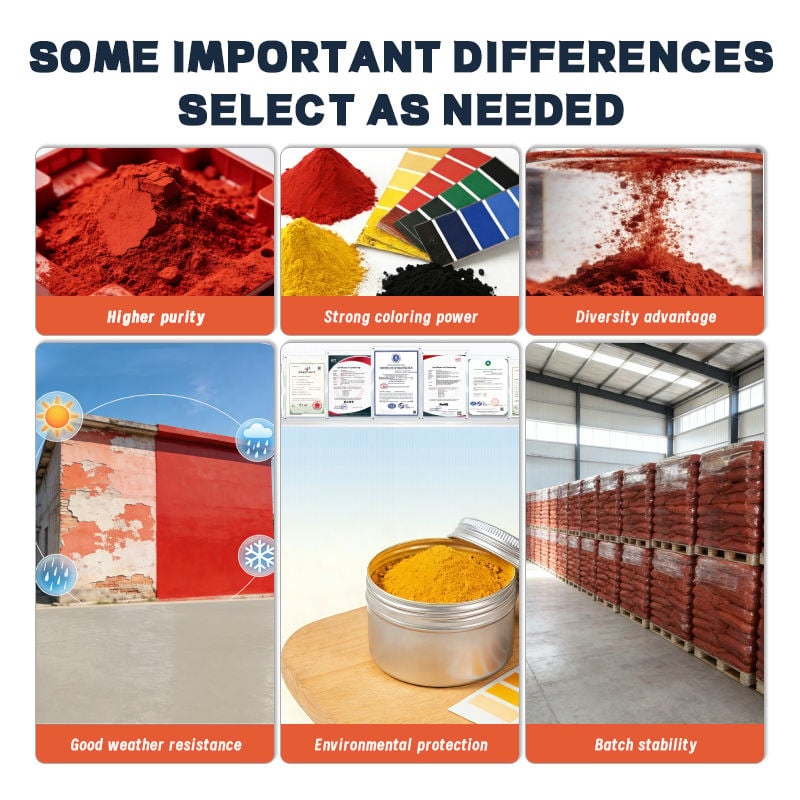
One of the most important indicators is water-soluble salt content and chemical purity. High-quality iron oxide pigments typically maintain water-soluble salts below approximately 0.3–0.5 percent while maintaining iron content between 92 and 96 percent or higher depending on the pigment grade. Low salt content is critical for applications such as architectural coatings and cement-based products because excessive soluble salts can lead to efflorescence, reduced weather resistance, and instability in alkaline environments. Achieving consistently low levels of soluble impurities requires advanced washing, filtration, and purification systems—equipment that is typically only economically viable in large-scale manufacturing facilities.
Another essential parameter is color strength and color consistency. Industrial customers rely on pigments that reproduce identical shades across months or years of production. In advanced manufacturing environments, batch-to-batch color difference values are typically controlled within ΔE ≤ 1.0, and tinting strength remains within a narrow range of approximately 95–105 percent relative to standard samples. Achieving this level of consistency requires highly controlled reaction conditions, precise temperature regulation during synthesis or calcination, and sophisticated homogenization systems that blend large pigment volumes to eliminate variation.
Particle engineering represents the third technical pillar. Premium industrial inorganic pigments maintain extremely low sieve residue levels—often below 0.02–0.05 percent when measured at 45 microns—and exhibit controlled particle size distributions typically ranging between 0.1 and 0.4 microns. These parameters influence dispersion behavior, opacity, and oil absorption in resin systems. Large-scale facilities typically utilize advanced milling and classification equipment to maintain narrow particle distributions, ensuring pigments disperse smoothly in coatings, plastics, and cement matrices.
Taken together, these technical characteristics demonstrate a fundamental truth of the pigment industry: precision manufacturing is closely tied to production scale.
A 50,000-ton pigment facility operates at a completely different procurement level compared to small manufacturers. Producing pigments at this scale requires thousands of tons of iron-based raw materials every month, along with significant volumes of process chemicals and utilities.
Because of this purchasing volume, large pigment producers typically establish long-term procurement contracts with upstream raw material suppliers. These agreements stabilize both price and quality, enabling factories to secure consistent mineral sources with well-characterized impurity profiles. Stable raw material chemistry significantly reduces batch variability during pigment synthesis.
For downstream buyers of industrial inorganic pigments, this sourcing stability translates into predictable product performance. In contrast, smaller factories often rely on short-term spot purchasing from multiple suppliers. While this approach may reduce short-term costs, it introduces variability in raw material composition that can propagate through the production process and affect final pigment quality.
Economically, scale also smooths price fluctuations. Large manufacturers can distribute fixed production costs across greater output volumes, resulting in more stable pricing structures for long-term customers. During periods of raw material price volatility, these suppliers often maintain steadier price trajectories than smaller competitors.
Beyond raw materials, the operational infrastructure of large factories plays a central role in quality stability. High-capacity pigment plants typically rely on automated production systems, including distributed control systems (DCS) that regulate parameters such as temperature, reaction time, pH levels, and calcination conditions.
These automated environments minimize human error and maintain consistent process conditions across extended production runs. In addition, large factories often incorporate industrial homogenization systems capable of blending multiple production batches into a single standardized output stream. This approach ensures that pigments shipped to customers maintain extremely narrow specification ranges.
Equally important is the presence of comprehensive quality laboratories. Facilities producing industrial inorganic pigments at a scale of tens of thousands of tons annually typically maintain full analytical laboratories equipped with spectrophotometers, colorimeters, particle size analyzers, and weathering testing equipment. These laboratories monitor each production batch and retain samples for long-term traceability.
For procurement teams, this quality infrastructure significantly reduces the risk of unexpected performance issues in downstream formulations.
Environmental compliance has become a defining factor in pigment manufacturing worldwide. Iron oxide production involves chemical synthesis and thermal processing, both of which require robust environmental control systems.
Large-scale factories are generally better equipped to meet modern environmental standards. Their investments often include wastewater treatment systems, emission control technologies, and energy efficiency upgrades that ensure regulatory compliance while maintaining continuous production.
For buyers of industrial inorganic pigments, this environmental stability directly affects supply security. Facilities operating below compliance thresholds may face sudden shutdowns during environmental inspections or policy changes. Larger manufacturers with established environmental management systems are far less vulnerable to such disruptions, providing buyers with greater confidence in long-term supply continuity.
Industry statistics illustrate the importance of scale in this context. Global production of synthetic iron oxide pigments exceeds several hundred thousand tons annually, with Asia accounting for a significant portion of total output. Over time, the industry has seen increasing consolidation as larger, technologically advanced manufacturers expand capacity while smaller operations struggle to maintain regulatory compliance.
Another advantage of large pigment producers lies in their technical support capabilities. A factory producing tens of thousands of tons of industrial inorganic pigments annually typically maintains dedicated application laboratories.
These facilities allow technical teams to simulate real-world applications, such as testing pigment dispersion in architectural coatings, evaluating color stability in cement formulations, or examining pigment compatibility within polymer extrusion processes. This capability allows suppliers to assist customers in optimizing formulations rather than simply delivering raw materials.
Large-scale manufacturers also possess greater resources for product customization. Adjustments to particle size distribution, oil absorption characteristics, or surface treatments can be developed to meet specific customer requirements. Over time, this collaborative approach often evolves into long-term technical partnerships between pigment manufacturers and industrial customers.
To fully appreciate the meaning of a 50,000-ton pigment capacity, it helps to visualize the operational scale involved. Such facilities may produce more than one hundred tons of finished pigment every day, shipping dozens of container loads each month to global markets.
This scale enables the manufacturer to support the pigment requirements of numerous coatings companies, construction material suppliers, and plastics manufacturers simultaneously. More importantly, it ensures that production systems are designed for continuous industrial operation rather than intermittent batch production.
For buyers sourcing industrial inorganic pigments, this industrial continuity translates into dependable supply scheduling and the ability to fulfill large orders without extended lead times.
While smaller pigment producers can sometimes offer competitive pricing, their operational limitations often introduce hidden risks into the supply chain. Production lines operating near capacity can quickly become overloaded when demand increases, leading to delayed shipments and inconsistent quality.
Furthermore, small manufacturers may lack the technical resources required to address complex application issues. When pigment performance problems arise in coatings or construction materials, buyers may find themselves without adequate technical support.
Environmental compliance risks represent another potential vulnerability. Facilities with limited environmental infrastructure may face unexpected operational disruptions if regulatory requirements tighten.
For procurement professionals managing industrial production schedules, these uncertainties can translate into significant operational risk.
For buyers seeking a reliable source of industrial inorganic pigments, production scale and operational maturity remain decisive factors. Hebei Tianhuibao Technology Co., Ltd. has built its manufacturing strategy around these principles, operating large-scale facilities capable of producing approximately 50,000 tons of iron oxide pigments annually.
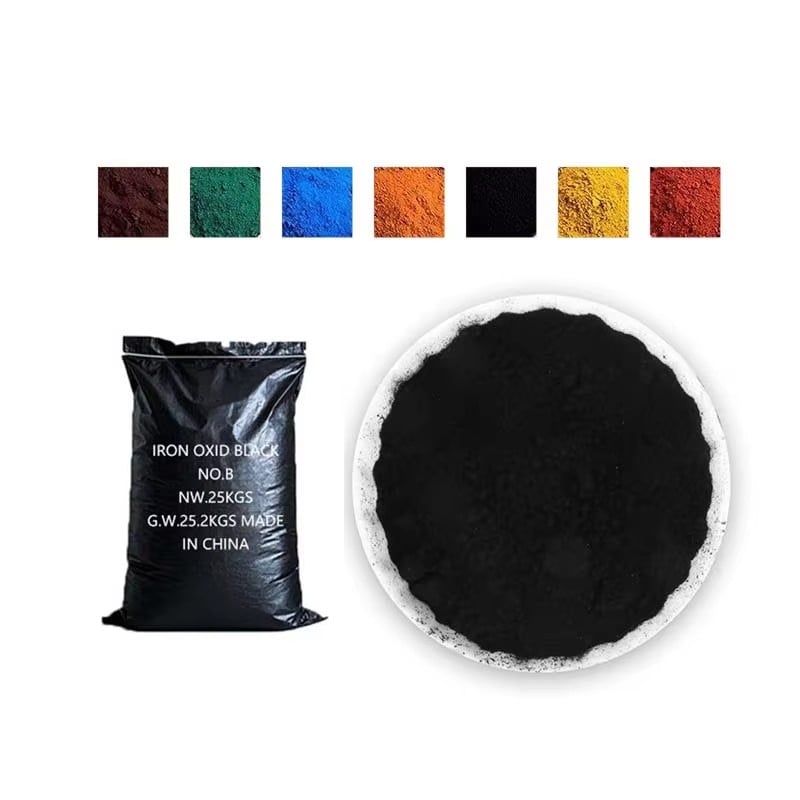
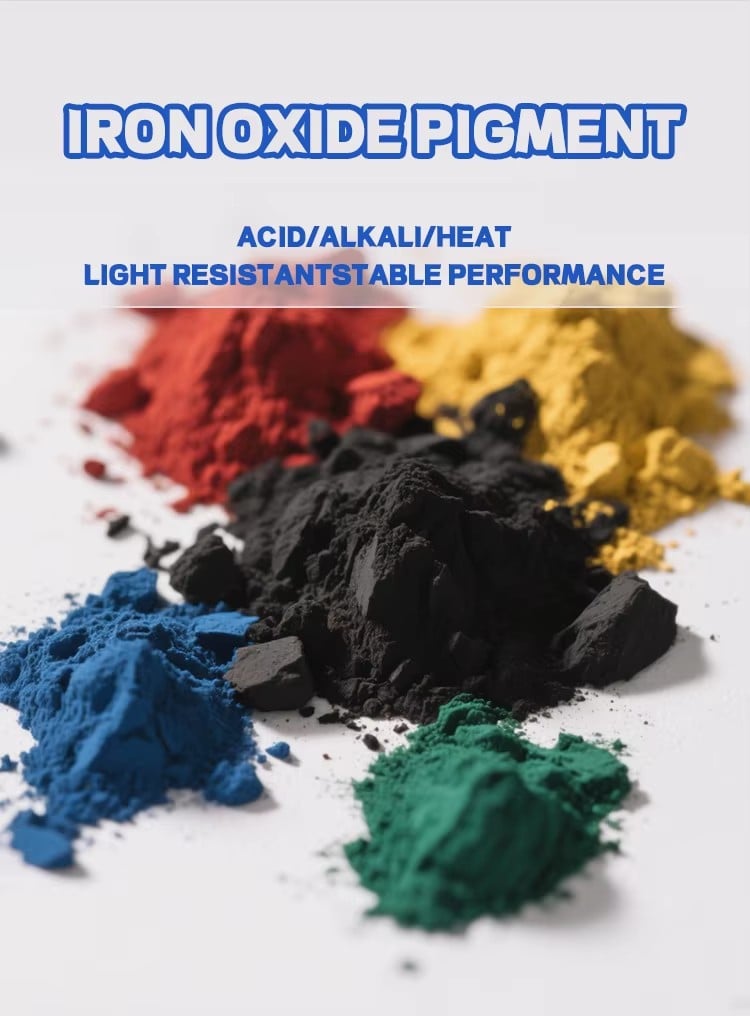
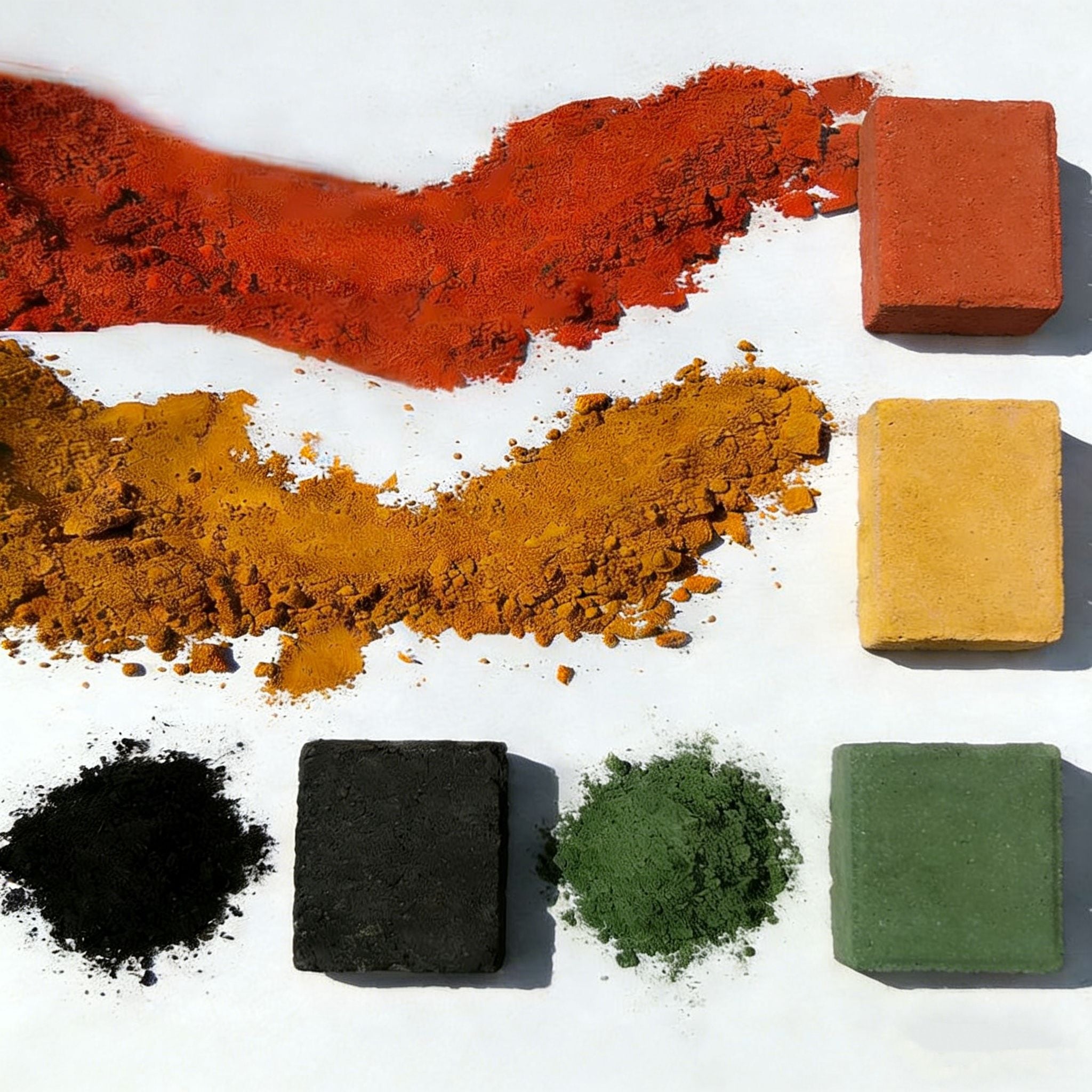
This capacity allows the company to maintain diversified product lines across iron oxide red, yellow, black, and brown pigments while ensuring continuous supply to global customers in coatings, building materials, plastics, and related industries.
The company’s production operations are supported by comprehensive quality management systems aligned with internationally recognized standards, ensuring that every batch of pigment is tested for critical parameters such as color strength, particle distribution, sieve residue, and soluble salts. Traceability mechanisms enable customers to verify quality consistency over extended production cycles.
Equally important, Hebei Tianhuibao Technology Co., Ltd. maintains a technical team with extensive experience in pigment manufacturing and industrial applications. This team works closely with customers to address formulation challenges and optimize pigment performance in specific industrial environments.
Environmental responsibility is also embedded in the company’s operational framework. Modern environmental protection systems ensure compliance with global regulatory expectations while supporting stable long-term production.
Through this integrated combination of scale, technical expertise, and supply chain stability, the company provides customers with dependable access to high-quality industrial inorganic pigments.
Procurement decisions in the pigment industry extend far beyond price comparisons. The supplier you select ultimately determines the stability, reliability, and long-term performance of your supply chain.
In the market for industrial inorganic pigments, production scale represents one of the most reliable indicators of a supplier’s ability to deliver consistent quality, maintain regulatory compliance, and sustain uninterrupted supply.
Partnering with a manufacturer operating at the 50,000-ton production level provides buyers with tangible operational advantages—from stable pricing and predictable product performance to technical support and supply continuity during market fluctuations.
For companies seeking a dependable pigment partner, Hebei Tianhuibao Technology Co., Ltd. offers both the manufacturing scale and the industry expertise required to support long-term growth.
Organizations interested in learning more about the company’s production capacity, quality systems, and global supply capabilities are encouraged to request a detailed capacity profile or contact the team directly for a quotation on their next pigment procurement project.
 Hot News
2026-09-04
2026-01-03
2026-01-01
2026-01-07
 EN
EN