 ×
×
Ask a supplier which iron oxide red grade you "need," and you will usually get a simplified answer: 110 for concrete, 130 for everything, 190 for coatings. It is a convenient shorthand — and it is wrong in a way that costs buyers money.
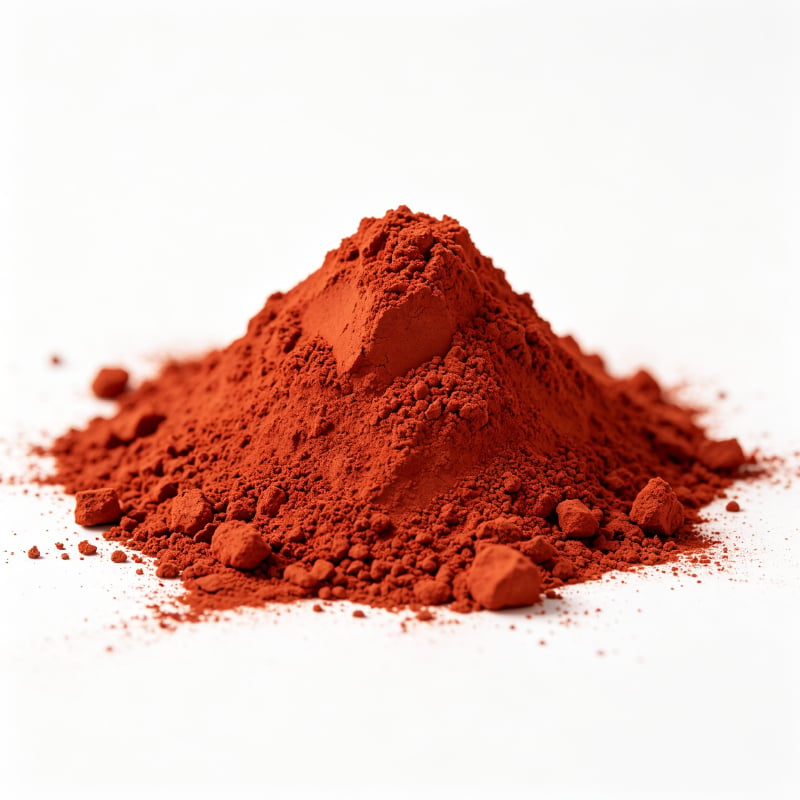
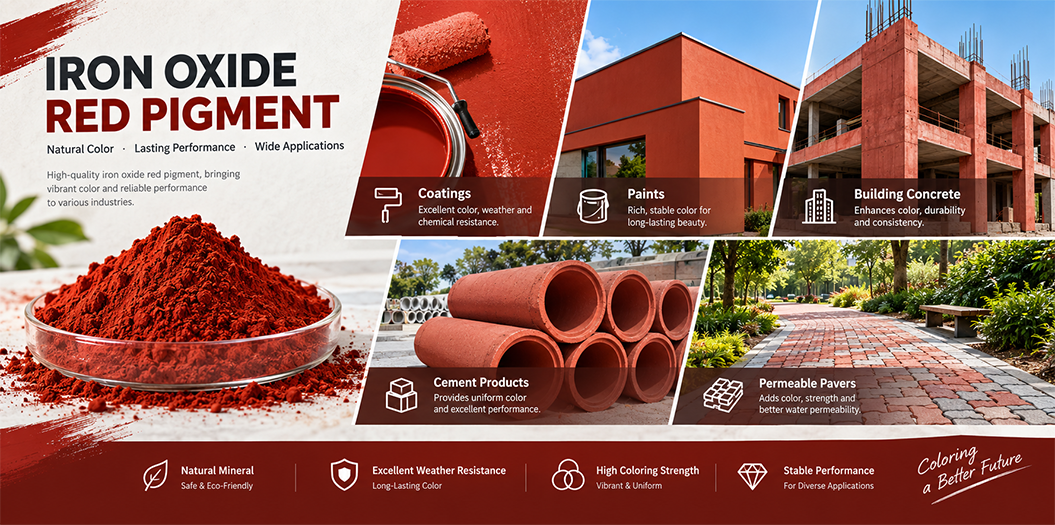
The truth is more useful: iron oxide red 110, 130, and 190 are the same pigment chemically. All three are synthetic Fe₂O₃ reds with iron oxide content at or above 95%, all share the same alkali resistance, weather stability, and non-toxic inorganic profile, and all three can technically perform in concrete, coatings, plastics, and ceramics. No grade is "unqualified" for any of these applications.
What separates them is a single physical variable — particle size — and everything that follows from it: tinting strength, oil absorption, dosage economics, and unit color cost. Choosing between them is not about eligibility. It is about which grade makes your formulation cheapest per unit of color delivered.
The One Variable Behind Every Grade Number
The numbers 110, 130, and 190 are industry grade codes, not particle size values. But they map onto a real particle-size ladder that has been stable across the industry for decades:
|
Property |
Red 110 |
Red 130 |
Red 190 |
|
Particle size |
Coarsest of the three |
Medium — the industry benchmark |
Finest of the three |
|
Tinting strength (relative) |
Baseline |
Higher |
Highest — deep color at low dosage |
|
Oil absorption (relative) |
Lowest of the three |
Moderate |
Highest of the three |
|
Price per kg |
Lowest |
Mid |
Highest |
|
Color depth in cement |
Grey-leaning red at moderate dosage |
Balanced brick red |
Richest, cleanest red tone |
All three grades are supplied against the same company standard specification for iron oxide red — Fe₂O₃ ≥ 95%, oil absorption within the standard 15–25 range, moisture ≤ 1%, water-soluble matter ≤ 0.5% — with grade-level TDS documents and batch COAs providing the exact measured values for each production run.
A finer particle means more particle surface per kilogram. More surface means more color for the same weight — and simultaneously, more oil or resin needed to wet that surface. This single trade-off explains nearly every sourcing decision between the three grades.
The Economics: Cost per Kilo vs Cost per Unit of Color
Here is the mistake buyers make most often: comparing grades by price per kilogram. Red 110 is the cheapest per kilo — and in the wrong application, it ends up the most expensive.
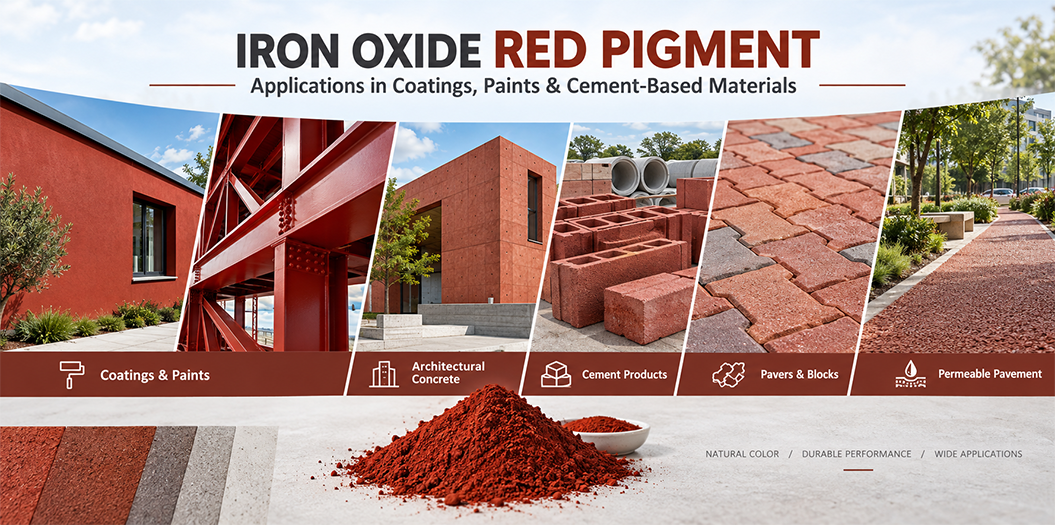
Where Red 110 wins: in high-loading, cement-bound systems — pavers, bricks, colored mortar, economy concrete products — where color is delivered by adding a substantial percentage of pigment anyway. In these formulations, pigment cost dominates and resin cost is irrelevant (there is no resin). Red 110's lower tinting strength simply means adding somewhat more kilos, and its low price per kilo more than compensates. Its lower oil absorption is a bonus in dry-blending and low-binder systems.
Where Red 130 wins: everywhere in between. It is the most widely traded iron oxide red in the world for a reason — balanced tinting strength, moderate oil absorption, and a clean mid-red tone that satisfies most concrete and general coatings specifications without a premium price. If a buyer has no strong opinion, Red 130 is rarely the wrong answer.
Where Red 190 wins: in resin-rich systems — paints, primers, color pastes, inks — where every extra kilo of pigment must be wetted by expensive resin. Red 190's high tinting strength means reaching the target color at a lower dosage, which cuts both pigment and resin consumption. In a high-quality coating, the premium paid per kilo of Red 190 is frequently recovered through lower loading and better film appearance.
The overlap nobody tells you about: a budget anti-rust primer can be formulated with Red 110; a premium architectural paver can be made with Red 190. Both are legitimate. The question is never "can this grade go into this product?" — it is "at what dosage, and at what total formulation cost?"
Three Questions That Pick the Right Grade
Instead of memorizing application rules, run your customer through three questions:
1. Is the color delivered through cement or through resin?
Cement system → lean toward 110 (or 130 for a cleaner tone). Resin system → lean toward 190 (or 130 for economy lines).
2. How deep is the target color, and at what loading ceiling?
If the customer needs a strong, clean red at low dosage (limited by formulation or process), 190 is the tool. If the color target is a moderate brick red with loading flexibility, 110 or 130 covers it.
3. What does the customer's current COA and dosage look like?
The most reliable method costs nothing: ask for the customer's current grade and addition rate, then quote the equivalent performance. Or better — send samples of two grades side by side and let their formulation decide.
That third point is worth emphasizing to procurement teams: grade selection is settled by a sample trial, not by a datasheet debate. Two containers of theoretical savings mean nothing next to one kilo of tested evidence in the customer's own mix.
What All Three Grades Share
Because the differentiation above sometimes overshadows it, it is worth restating what does not change across 110, 130, and 190:
Whatever grade a buyer chooses, these fundamentals travel with it. That is precisely why the choice can safely be made on economics rather than on fear of "using the wrong grade."
Iron Oxide Red Grades from Hebei Tianhuibao
At Hebei Tianhuibao Technology Co., Ltd., iron oxide red 110, 130, and 190 are produced to consistent specifications with batch-level quality control. Every shipment is supported by a batch-specific COA confirming Fe₂O₃ content, oil absorption, water-soluble matter, and sieve residue, together with SDS documentation; REACH compliance declarations are available for EU-bound orders.
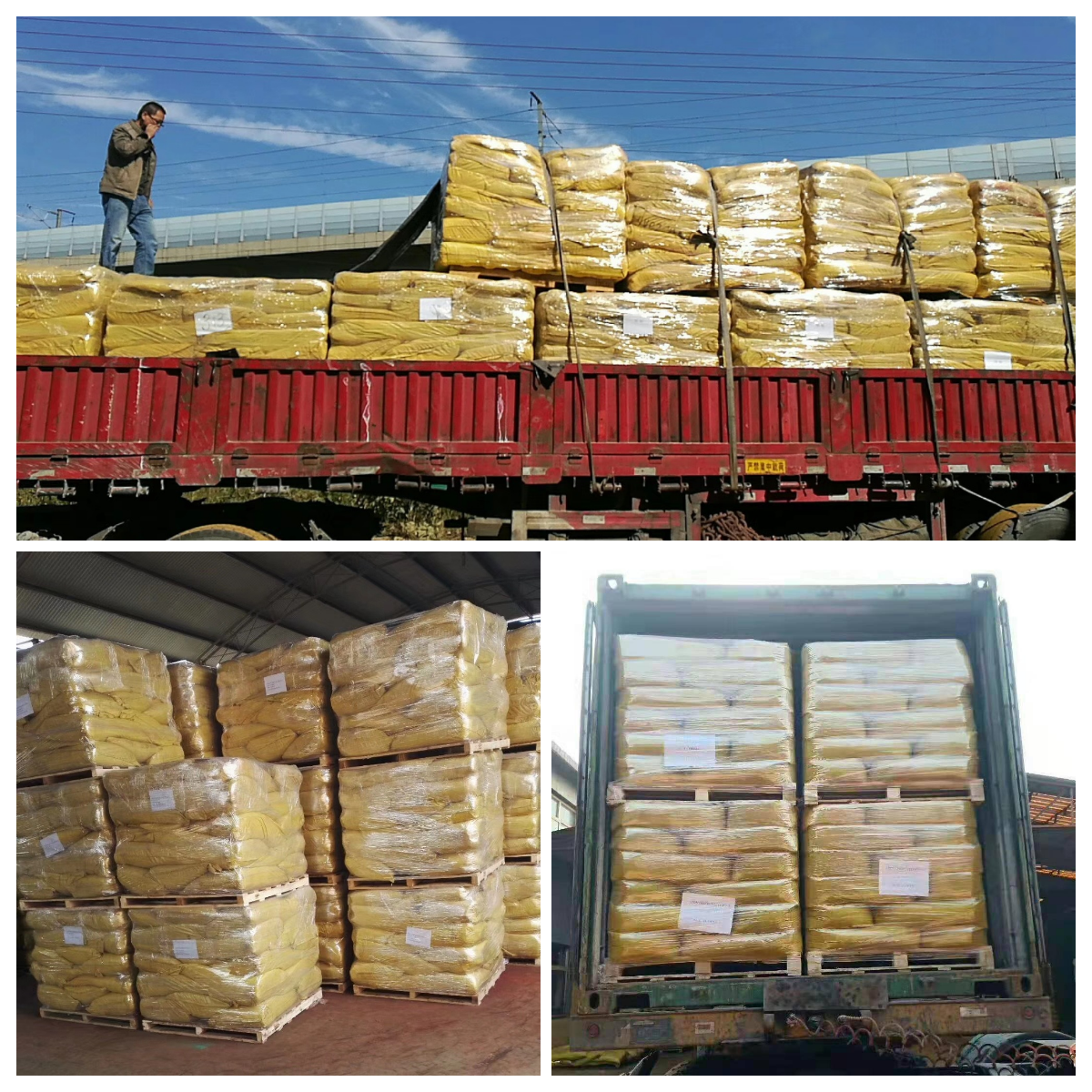
With 50,000 tons of annual production capacity and export operations across 150+ countries, we supply all three grades side by side — which means your trial can be a true like-for-like comparison rather than a compromise across suppliers. The minimum order quantity starts at 1 metric ton, while samples for evaluation are provided separately and do not count toward the MOQ — so grade comparison costs you nothing but a formulation trial. Third-party factory or port-of-loading inspections are supported.
To request grade samples, TDS documents, or a quotation for iron oxide red 110, 130, or 190, explore our iron oxide product range or contact our team directly.
The Bottom Line
Iron oxide red 110, 130, and 190 are not three different products for three different industries. They are one pigment offered at three points on a particle-size curve, each with its own cost-per-color sweet spot. Buyers who understand the trade-off — tinting strength up, oil absorption up, dosage down, price per kilo up — can move between grades as formulation economics shift, instead of locking into one grade and hoping it stays optimal. Ask for the COAs, run the side-by-side sample, and let the numbers in your own formulation make the final call.
 Hot News
2026-09-04
2026-01-03
2026-01-01
2026-01-07
 EN
EN