EN
EN



REACH-Compliant Iron Oxide for Paint Applications
Sourcing colorants for architectural coatings, industrial maintenance paints, or decorative finishes puts compliance front and center. As someone responsible for verifying pigment supplier credentials for EU-bound paint formulations, I've seen firsthand what happens when a batch of industrial iron oxide pigment arrives without proper REACH documentation. Production stops. Customers are put on hold. And the cost is rarely just the industrial iron oxide pigment itself — it's the cascading delay across your production line.
This article covers what REACH compliance actually means for industrial iron oxide pigment used in paint applications, what specifications matter most in practice, and what procurement teams should be asking before approving a new industrial iron oxide pigment supplier.
Why REACH Compliance Matters for Industrial Iron Oxide Pigment in Paint
REACH — Regulation (EC) No 1907/2006 — governs the registration, evaluation, authorization, and restriction of chemical substances in the European Union. For suppliers of industrial iron oxide pigment exporting to EU-market paint manufacturers, substances manufactured or imported above 1 tonne per year must be registered with ECHA, the European Chemicals Agency.
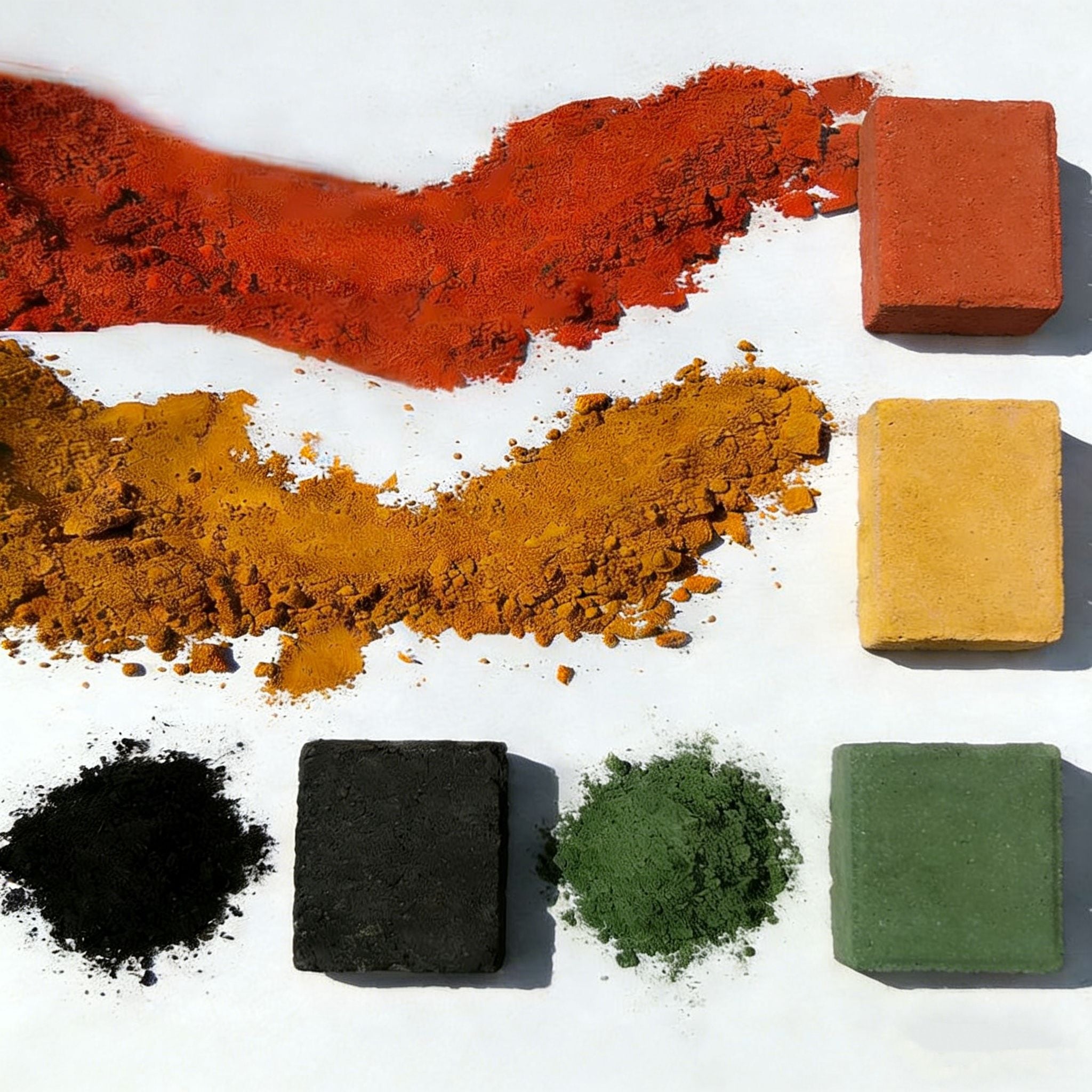
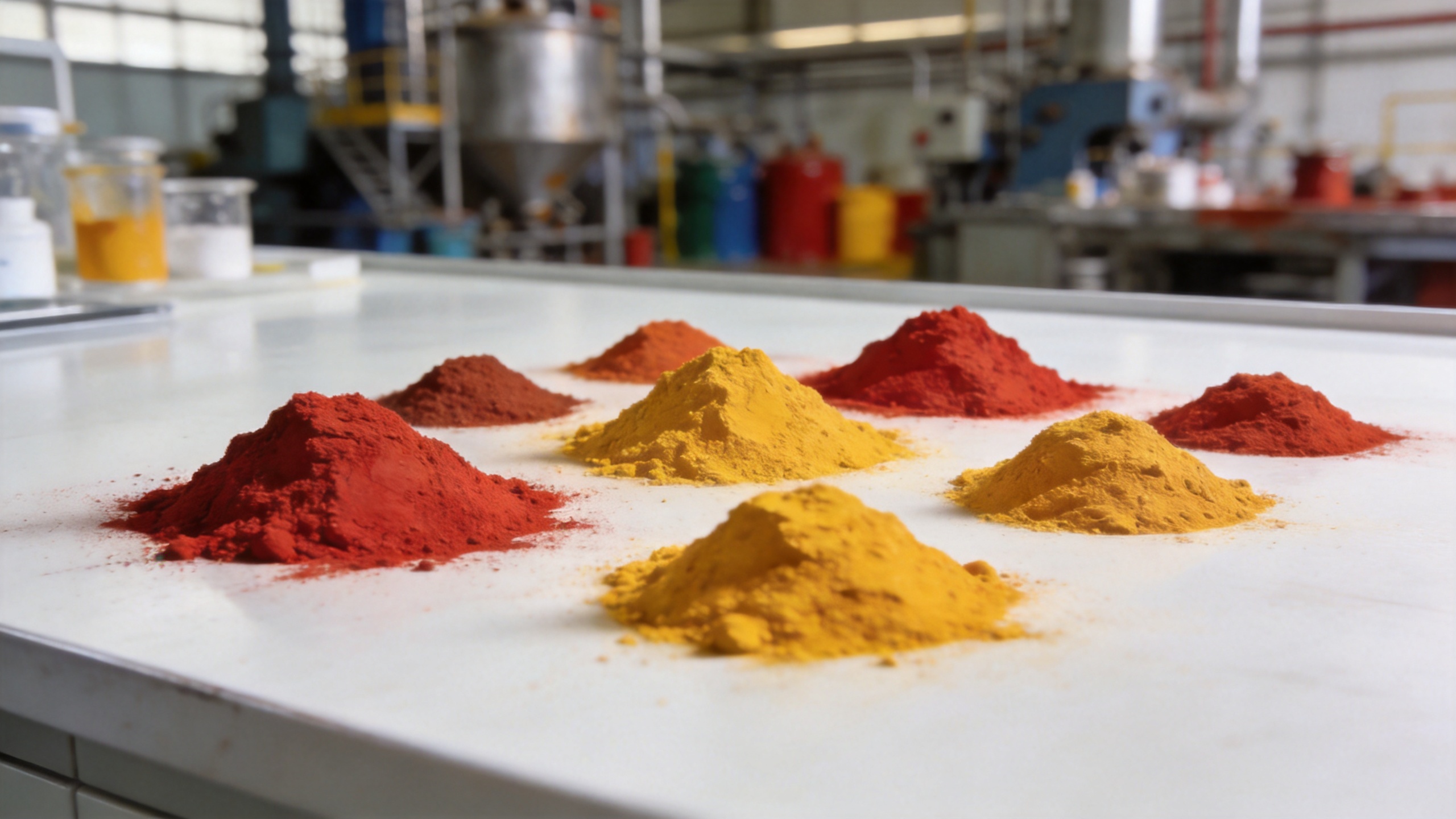
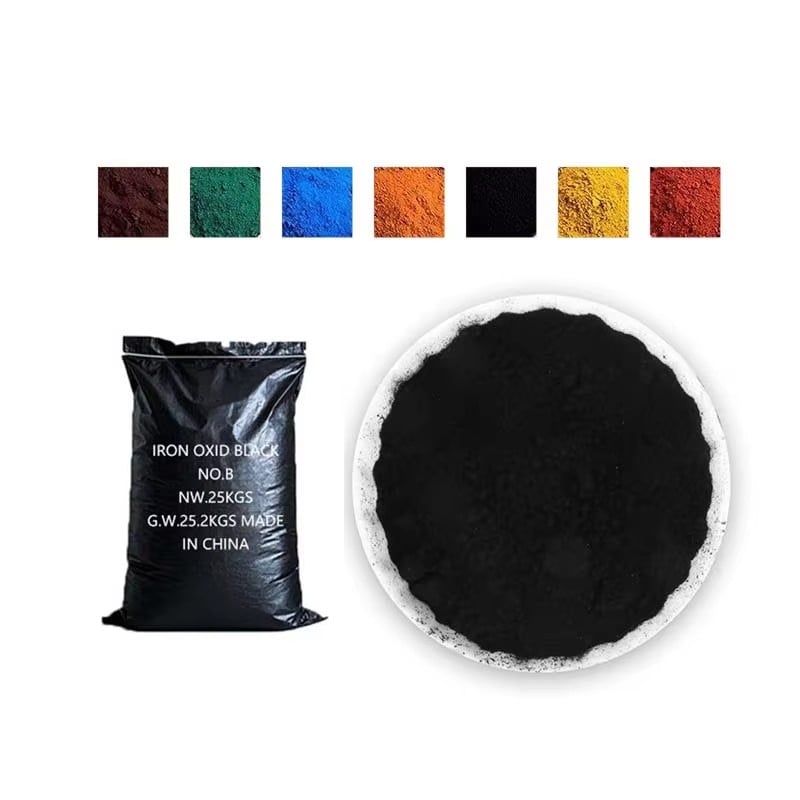
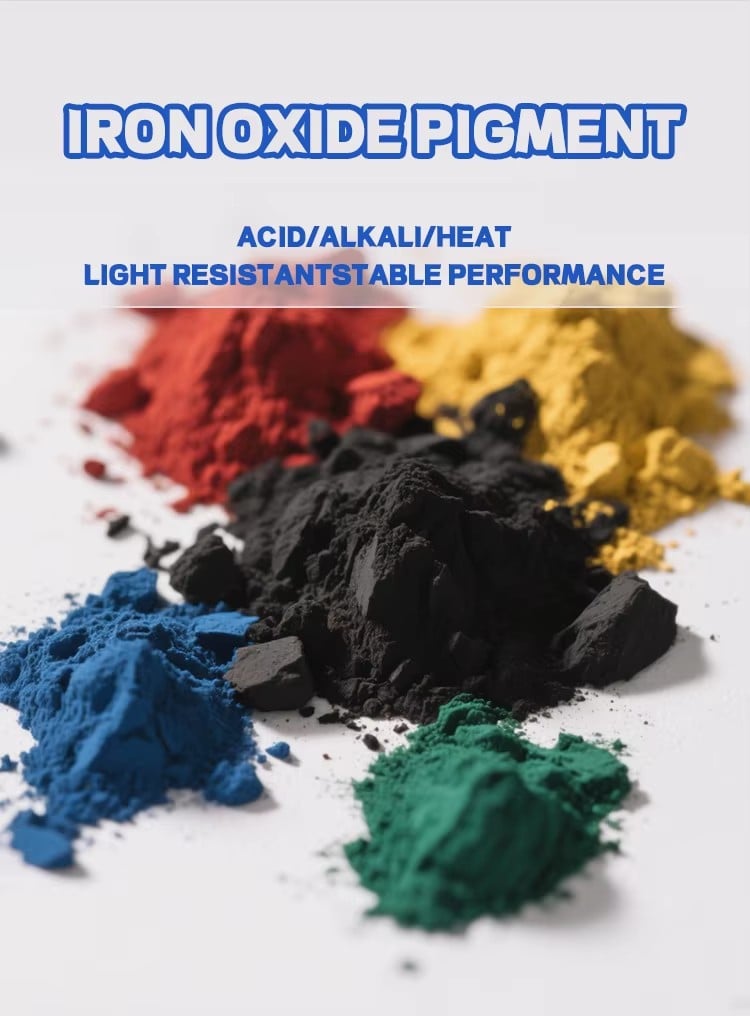
Industrial iron oxide pigment — including red (Fe₂O₃), yellow (FeOOH), and black (Fe₃O₄) grades — fits within this requirement. Iron oxides are not classified as Substances of Very High Concern (SVHC) under REACH. The compliance risk comes from impurities: residual heavy metals introduced during the manufacturing process, particularly lead (Pb), cadmium (Cd), and hexavalent chromium (Cr VI).
Under REACH, any SVHC present in a supplied article above 0.1% w/w must be disclosed. For paint manufacturers who need to certify the safety of finished products for EU consumers, the sourcing trail matters. That means the industrial iron oxide pigment you use must be backed by documentation that holds up at the ingredient level.
If you're producing paints for construction, interior decorating, or industrial coatings destined for European markets, sourcing industrial iron oxide pigment from a supplier without verified REACH registration isn't a calculated risk — it's a compliance gap that can block market access entirely.
Key Technical Specifications for Paint-Grade Industrial Iron Oxide Pigment
Compliance documentation is necessary, but performance matters just as much. The industrial iron oxide pigment you specify must meet consistent parameters across batches. Tinting strength, particle size, and oil absorption all affect how industrial iron oxide pigment behaves in your formulation.
Paint formulators typically benchmark these specifications when evaluating a new industrial iron oxide pigment source:
- Tinting strength: Measured against an ILC (International Laboratory Comparison) standard. Higher tinting strength means more color per kilogram of industrial iron oxide pigment — which directly impacts formulation cost efficiency. For paint applications, batch-to-batch tinting strength consistency often matters more than peak performance in a single sample.
- Oil absorption (g/100g): Determines how much binder the industrial iron oxide pigment consumes. High oil absorption grades require more resin to achieve full coverage, affecting formulation cost and film properties. Typical ranges for red industrial iron oxide pigment in architectural paints run between 15–35 g/100g.
- Average particle size (D50): Affects dispersibility and hiding power. Finer industrial iron oxide pigment particles produce higher tinting strength and brighter color, though they may require more milling energy. Most paint-grade industrial iron oxide pigment targets D50 values in the 0.1–0.5 μm range.
- Fe₂O₃ purity (%): Directly correlates with color intensity and chemical stability. High-purity industrial iron oxide pigment grades reduce the risk of impurity-related compliance failures under REACH.
- pH and moisture content: Relevant for compatibility with water-based paint systems. Industrial iron oxide pigment that is too alkaline or contains excess moisture can affect emulsion stability in waterborne formulations.
One pattern that shows up in supplier evaluations: a sample of industrial iron oxide pigment hits every benchmark, but large-order batches show tinting strength variation that shifts the final color outside acceptable tolerances. A good sample doesn't confirm a supplier can deliver industrial iron oxide pigment at scale with consistency. Before approving a supplier, request COA data from at least three consecutive production batches of industrial iron oxide pigment — not just the sample lot.
What REACH Documentation Should Cover for Industrial Iron Oxide Pigment
For paint manufacturers sourcing industrial iron oxide pigment for EU-directed production, a complete supplier documentation package should include:
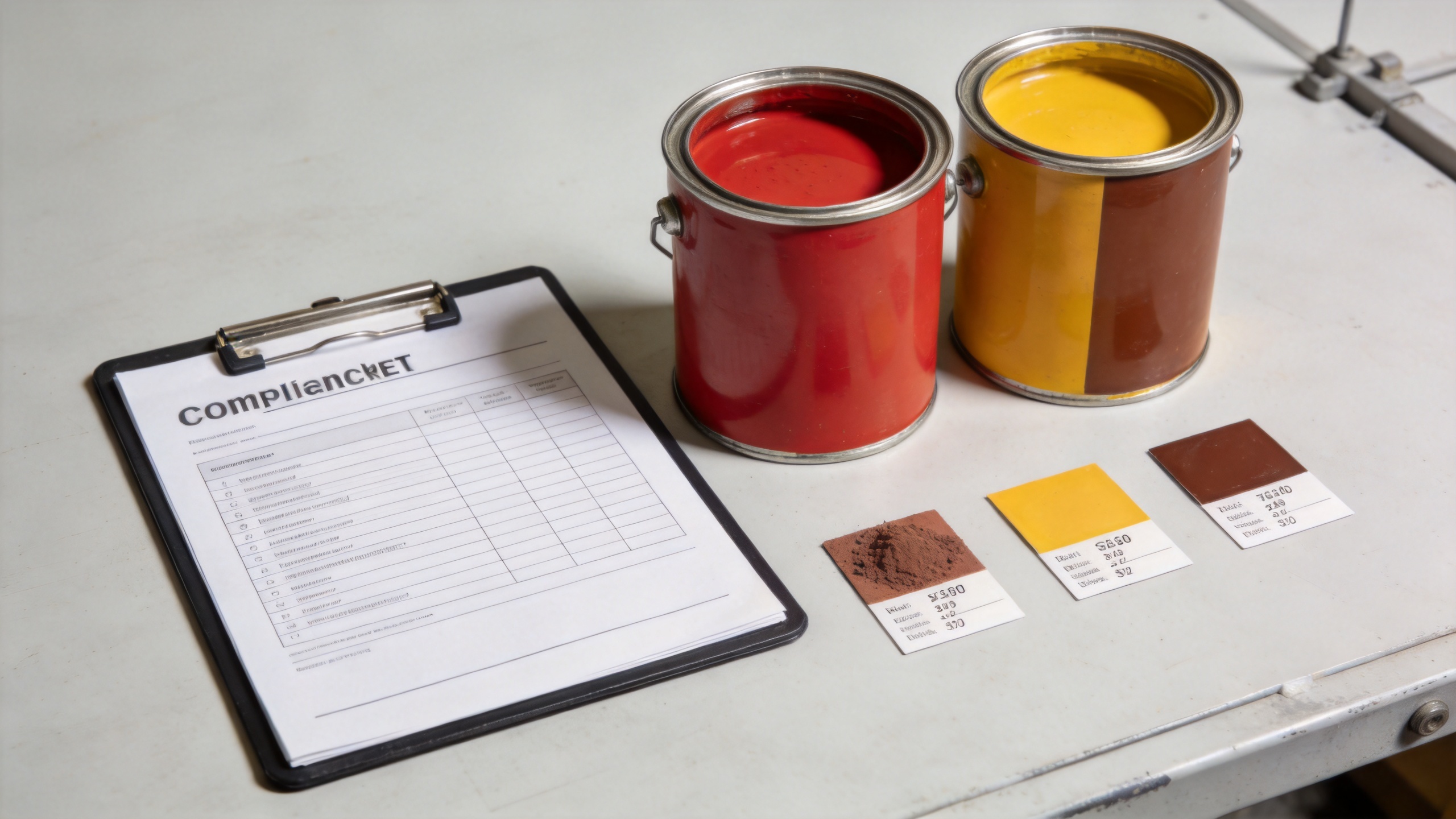
- REACH Registration confirmation: The supplier's REACH registration number for the relevant industrial iron oxide pigment substance(s), along with the registered tonnage band. This confirms the industrial iron oxide pigment has passed ECHA's registration review.
- Safety Data Sheet (SDS) per REACH Annex II: A current SDS in EU-compliant format, covering hazard classification, first aid measures, handling precautions, and environmental data for the industrial iron oxide pigment. Outdated or non-EU SDS formats are a consistent red flag during documentation reviews.
- Certificate of Analysis (COA): Issued per production batch of industrial iron oxide pigment, confirming heavy metal content (Pb, Cd, Cr VI at minimum), tinting strength, and particle size against product specification.
- SVHC Declaration: Confirming whether any SVHC on the ECHA Candidate List is present above 0.1% w/w in the industrial iron oxide pigment. This should confirm absence of relevant SVHC at reportable levels.
- RoHS compliance letter (where applicable): Relevant when industrial iron oxide pigment will be used in paints applied to electrical or electronic equipment housings.
Compliance certification covers the industrial iron oxide pigment substance itself, not its behavior in every specific formulation context. If your paint system involves unusual binders, high-temperature curing, or specialized application methods, run compatibility testing before committing to full-scale industrial iron oxide pigment procurement.
Why Supplier Selection for Industrial Iron Oxide Pigment Goes Beyond the Certificate
A REACH certificate tells you the substance cleared a registration process — it doesn't tell you whether an industrial iron oxide pigment supplier can maintain compliance across the supply chain over time. ECHA's SVHC Candidate List is updated regularly, typically twice a year, and what was compliant in one registration cycle may need reassessment as new restrictions are added.
When evaluating a supplier of industrial iron oxide pigment for ongoing paint production, look beyond the certificate:
- Proactive regulatory monitoring: Does the industrial iron oxide pigment supplier track SVHC list updates and notify customers proactively? Or do they wait until someone asks?
- In-house QC capability: Does the supplier test heavy metal content on each production batch of industrial iron oxide pigment, or only periodically? Testing frequency directly affects confidence that any given shipment matches specification.
- Production capacity and consistency: A supplier running standardized production processes for industrial iron oxide pigment at 50,000 tons/year tends to deliver better batch consistency than smaller operations with less formal quality systems.
- Export documentation experience: Industrial iron oxide pigment suppliers shipping to EU markets across multiple countries for years typically have more complete, audit-ready documentation than those newer to European compliance requirements.
Hebei Tianhuibao Technology, based in Shijiazhuang, China, holds REACH and CE certification for its industrial iron oxide pigment products, with an annual production capacity of 50,000 tons and export experience spanning 150+ countries. For paint manufacturers evaluating a compliant industrial iron oxide pigment source with EU-ready documentation, Tianhuibao offers a minimum order quantity of 25kg for initial quality verification. Contact the export team at [email protected] or visit www.ironoxidecolors.com.
Practical Compliance Checklist for Industrial Iron Oxide Pigment Buyers
Before finalizing a sourcing decision for industrial iron oxide pigment in paint applications, use this checklist to verify supplier compliance readiness:
- REACH registration number for the industrial iron oxide pigment confirmed and active with ECHA.
- Current SDS in EU-compliant format (REACH Annex II) provided for each industrial iron oxide pigment grade.
- COA with heavy metal test data for the specific industrial iron oxide pigment production batch.
- SVHC declaration confirming no reportable substances at or above 0.1% w/w in the industrial iron oxide pigment.
- Tinting strength and particle size data from at least 3 consecutive industrial iron oxide pigment batches reviewed.
- Supplier confirms process for notifying customers of new SVHC listings or regulatory updates affecting industrial iron oxide pigment.
- Export documentation examples reviewed for completeness (HS codes, origin certificates for industrial iron oxide pigment shipments).
For paint production destined for regulated markets — EU supply chains in particular — this checklist belongs in every industrial iron oxide pigment supplier onboarding process, not just the initial review.
Conclusion
Sourcing REACH-compliant industrial iron oxide pigment for paint applications carries long-term implications for your supply chain, regulatory standing, and customer relationships. A supplier delivering consistent industrial iron oxide pigment batch quality, complete EU-ready documentation, and proactive compliance support reduces your risk exposure more substantially than one whose main advantage is a lower per-kilogram price.
Build industrial iron oxide pigment supplier evaluation into your process before you need it — not after a compliance gap surfaces during a product audit or at a border crossing. If you're establishing or reviewing your paint pigment supply chain for EU market access, start with the documentation checklist, verify batch consistency with multi-batch COA data, and prioritize industrial iron oxide pigment suppliers with the production scale and certification infrastructure to stay compliant as regulations evolve.
For inquiries about REACH-certified industrial iron oxide pigment for industrial and architectural paint applications, visit ironoxidecolors.com or reach the export team at +86-13582344730.
 Hot News