From an application engineer’s perspective, iron oxide brown 686 is not simply a brown powder added to paint for color. It is a functional inorganic pigment that affects dispersion efficiency, grinding time, viscosity response, color stability, outdoor durability, and final coating appearance. If iron oxide brown 686 is difficult to wet or disperse, the whole paint system may show long milling time, pigment sedimentation, flocculation, floating color, or abnormal viscosity. Good iron oxide brown 686 helps paint manufacturers build more predictable formulations, especially for architectural coatings, exterior wall paints, primers, and industrial coatings. Although this is an Iron Oxide Brown 620 paint formulation guide, the same engineering logic applies when evaluating iron oxide brown 686 in practical coating systems.
Definition: What iron oxide brown 686 Means in Paint Formulation
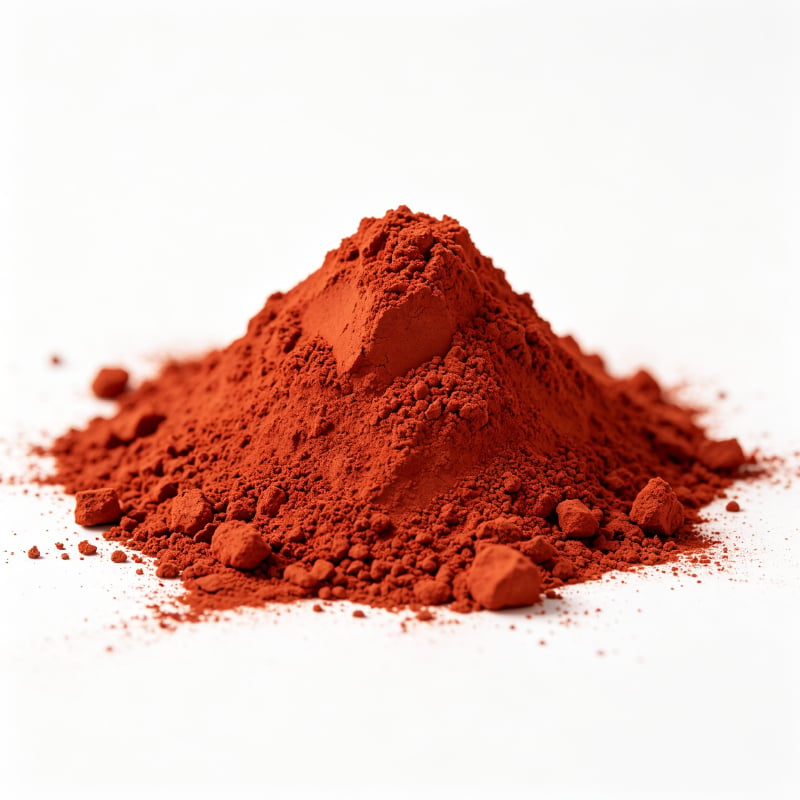
iron oxide brown 686 is a synthetic inorganic brown pigment mainly composed of iron oxide and related iron oxide compounds. In coating applications, it is used to provide a stable brown shade, good opacity, strong light fastness, and long-term color durability.
In coatings, iron oxide brown 686 is selected not only for its color but also for how it behaves during wetting, dispersion, storage, and application. A pigment may look acceptable in powder form, but its real value is proven only after it enters a resin system and passes production testing.
Common applications for iron oxide brown 686 include interior wall paints, exterior wall coatings, decorative paints, industrial primers, anti-corrosion coatings, powder coatings, texture coatings, and construction-related finishes. It is often used to create earth-tone colors, natural stone effects, wood-like shades, and warm architectural colors.
Because iron oxide brown 686 is inorganic, it generally provides better chemical stability, alkali resistance, heat resistance, and weather resistance than many less durable colorants. This makes it suitable for coatings exposed to sunlight, rain, cement-based substrates, and long-term outdoor conditions.
An application engineer should not evaluate iron oxide brown 686 only by price or shade. The more important questions are: Can it disperse efficiently? Does it keep color from batch to batch? Does it affect viscosity? Does it settle during storage? Can it resist fading in exterior paints?
Key Technical Properties of iron oxide brown 686
First, iron oxide brown 686 should provide stable color shade. Brown pigments are sensitive because the shade balance may shift toward red, yellow, black, gray, or dull tones. If the shade changes between batches, the finished paint may fail color approval.
Second, iron oxide brown 686 needs reliable tinting strength. When tinting strength is unstable, the same addition level can produce different color depth. This forces production teams to adjust formulas repeatedly, increases labor cost, and makes material cost harder to control.
Third, iron oxide brown 686 must disperse efficiently. Poor dispersibility is one of the most common causes of long grinding time, visible particles, low gloss, floating, flooding, and color spots in the coating film.
Fourth, iron oxide brown 686 should have low sieve residue. Coarse particles, sand, or mechanical impurities can block filters, damage film smoothness, affect spray application, and create surface defects.
Fifth, iron oxide brown 686 needs controlled moisture. High moisture may cause caking, feeding difficulty, lower dispersion efficiency, and storage loss. In water-based coatings, uncontrolled moisture and impurities may also contribute to unexpected viscosity changes.
Sixth, iron oxide brown 686 should offer weather resistance and light fastness. For exterior wall paints, iron oxide brown 686 is expected to resist fading, discoloration, and shade drift caused by ultraviolet exposure, rain, heat, and alkaline substrates.
In water-based coatings, iron oxide brown 686 may influence viscosity depending on dispersant selection, pH, thickener type, and pigment loading. A well-controlled iron oxide brown 686 grade helps reduce flocculation, sedimentation, and unstable flow behavior. These properties make iron oxide brown 686 useful for coating systems that require consistent brown color and reliable production performance.
Quality Documents for iron oxide brown 686
For professional paint manufacturers, the third part should focus on quality documents rather than simply listing “certificates.” Documents help application engineers, QC teams, and buyers confirm whether the pigment is suitable for formulation, incoming inspection, export, and customer approval.
For every shipment of iron oxide brown 686, a Certificate of Analysis, or CoA, is one of the most important documents. It supports batch traceability and helps the customer compare actual test values with agreed specifications.
CoA for iron oxide brown 686 usually reports key indicators such as color shade, tinting strength, moisture, sieve residue, oil absorption, pH value, and other agreed quality parameters. These values are especially useful when troubleshooting color variation or dispersion issues.
TDS for iron oxide brown 686 helps formulators understand typical technical properties before lab testing. It may include recommended applications, physical form, color information, chemical characteristics, and general handling guidance.
SDS for iron oxide brown 686 supports safe storage, transportation, handling, and workplace risk assessment. Depending on final market, iron oxide brown 686 may also need REACH-related documents, heavy metal test reports, RoHS statements, non-hazardous goods certificates, or other compliance files requested by the customer or destination country.
It is important to state this accurately: regulatory requirements vary by market, final application, and customer standards. A responsible supplier should provide available documents and explain which files are standard, which are optional, and which require third-party testing.
Processing Recommendations for iron oxide brown 686
Before production, iron oxide brown 686 should be evaluated in the target coating system. Lab tests should confirm shade, tinting strength, wetting behavior, grinding fineness, viscosity response, storage stability, and compatibility with resin, dispersant, defoamer, thickener, and anti-settling additives.
In a typical water-based grind, iron oxide brown 686 should be added after the liquid phase, wetting agent, dispersant, and basic defoamer are introduced. The pigment should be added gradually under sufficient agitation instead of being dumped into the tank at once.
Adding iron oxide brown 686 too quickly may create dry pockets, hard agglomerates, poor wetting, and longer milling time. A good pre-dispersion stage reduces the load on the bead mill or sand mill and improves color development.
After pre-dispersion, iron oxide brown 686 can be milled to the required fineness according to the coating grade. During milling, iron oxide brown 686 should be checked for grind gauge value, viscosity change, temperature rise, color strength, and surface appearance after drawdown.
If iron oxide brown 686 causes viscosity rise, the engineer should review dispersant dosage, pH, electrolyte sensitivity, thickener interaction, and total pigment volume concentration. For solvent-based systems, iron oxide brown 686 should be tested with the chosen resin, solvent blend, wetting additive, and anti-settling package.
Storage tests are important because iron oxide brown 686 may settle if the system lacks proper stabilization. Heat storage, room-temperature storage, freeze-thaw testing, and re-dispersion evaluation can help predict real shelf performance. Properly processed iron oxide brown 686 helps reduce grinding time, improve film appearance, and support stable production.
Common Problems and Supplier Selection for iron oxide brown 686
Low-quality iron oxide brown 686 can create several hidden costs. Unstable tinting strength makes formulas difficult to standardize. Poor dispersibility increases grinding time and energy consumption. High sieve residue causes filter blocking and rough coating films. High moisture leads to caking, difficult feeding, and reduced warehouse efficiency. Weak weather resistance can cause exterior paint fading, discoloration, project repair, and brand complaints.
If iron oxide brown 686 has unstable tinting strength, production teams must frequently correct color, which increases waste and delays delivery. When iron oxide brown 686 contains coarse particles, the coating may show specks, low gloss, floating color, or uneven appearance. If iron oxide brown 686 has high moisture, operators may face poor flow during feeding and lower dispersion efficiency.
Our solution is to supply iron oxide brown 686 with controlled shade, stable tinting strength, low sieve residue, moisture control, and batch testing. A reliable supplier should provide standard samples, retained batch samples, CoA, TDS, SDS, and technical support for application testing.
When choosing a supplier, do not focus only on the lowest price. A cheaper pigment may increase total cost if it causes longer grinding time, repeated color correction, production downtime, customer complaints, or premature exterior coating failure. A strong supplier should understand coating applications and support both technical and export requirements.
Conclusion: Using iron oxide brown 686 Successfully
Choosing iron oxide brown 686 is an application engineering decision, not only a purchasing decision. The pigment must match the coating system, production process, quality standards, and end-use environment. For stable brown color, efficient dispersion, and durable exterior coatings, iron oxide brown 686 is the practical choice.
 ×
×
 Hot News
 EN
EN