As a paint production manager, I evaluate pigments by how they behave on the production floor, not only by how they look in a sample bag. synthetic iron oxide red plays a direct role in grinding time, dispersion efficiency, filtration pressure, batch color stability, viscosity control, and final coating appearance. A well-designed synthetic iron oxide red can help the plant reduce rework, shorten milling cycles, and keep production schedules under control. When synthetic iron oxide red is poorly dispersed, the result is often longer processing time, visible particles, color spots, unstable viscosity, sedimentation, and delayed batch release.
What synthetic iron oxide red Means for Paint Production
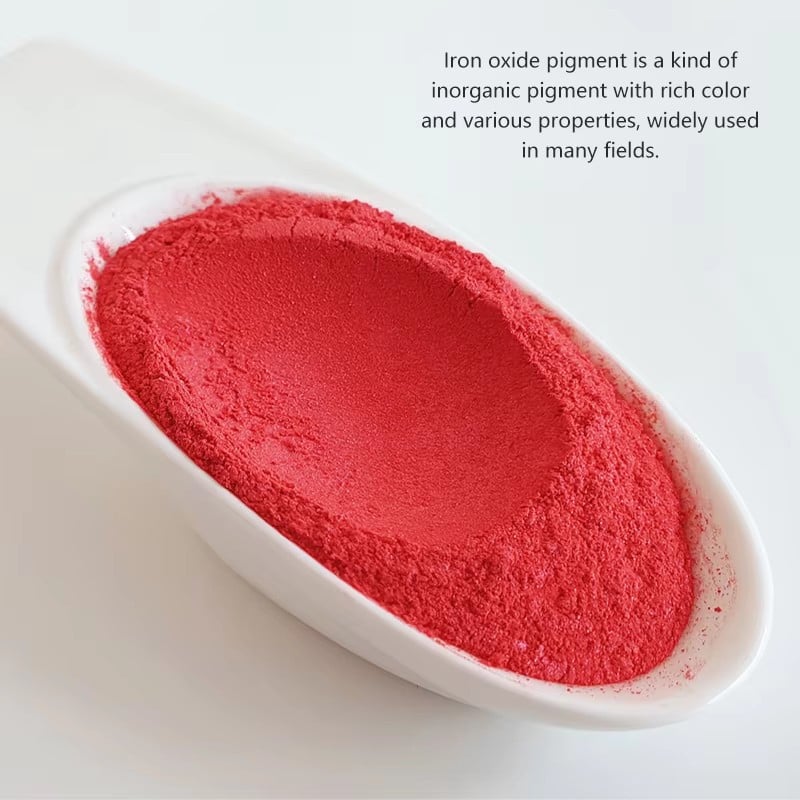
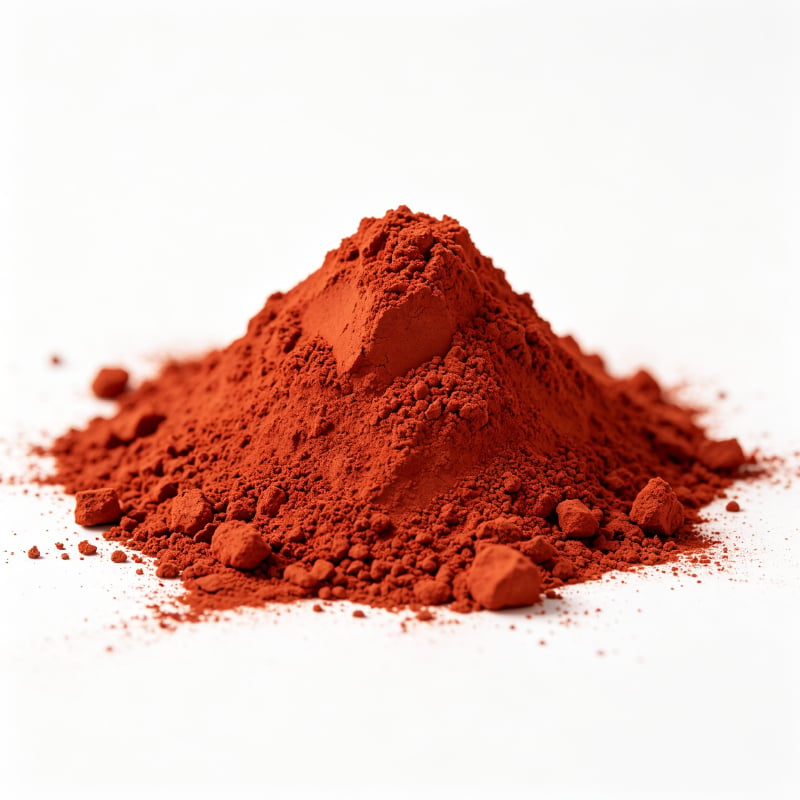
synthetic iron oxide red is a synthetic inorganic red pigment mainly composed of ferric oxide, commonly known as Fe₂O₃. In paint and coating production, it is used to provide a stable red shade, good opacity, reliable tinting strength, and long-term color durability.
In production terms, synthetic iron oxide red is more than a coloring material. It affects how fast the pigment wets out, how easily it breaks down during grinding, how stable the slurry remains during storage, and how smooth the coating film appears after application.
The value of synthetic iron oxide red becomes clear in water-based architectural paints, exterior wall coatings, industrial primers, anti-corrosion coatings, decorative coatings, and construction coatings. These systems often require stable color, good weather resistance, alkali resistance, and predictable processing behavior.
For managers, synthetic iron oxide red should be judged by practical indicators: feeding condition, caking tendency, dust control, dispersion time, sieve residue, filtration performance, color consistency, and batch-to-batch reliability. A pigment that looks cheap at purchasing may become expensive if it slows down production or causes customer complaints.
Why synthetic iron oxide red Dispersion Matters in Production
Poor dispersion is one of the most common causes of production delay. synthetic iron oxide red with poor wetting or serious agglomeration may require longer high-speed dispersion and extended milling before the batch reaches the target fineness.
If synthetic iron oxide red reaches the grinding stage with dry lumps or hard aggregates, the mill consumes more energy, the temperature may rise, and operators need more time to check fineness and color development. This directly affects line capacity and delivery planning.
Using synthetic iron oxide red with improved dispersion helps reduce the workload on bead mills, sand mills, and high-speed dispersers. It can also reduce the chance of coarse particles passing into the finished paint, where they may create rough texture, poor gloss, or visible red specks.
For a production manager, synthetic iron oxide red dispersion is not a laboratory detail. It influences daily output, filter life, equipment cleaning frequency, quality inspection speed, and the number of batches that can be completed in one shift.
Common Production Problems with Low-Quality synthetic iron oxide red
Low-grade synthetic iron oxide red may have unstable particle size, high moisture, coarse impurities, and poor batch consistency. These issues are often discovered only after the pigment enters production, when correction becomes more expensive.
When synthetic iron oxide red cakes during storage, operators may face slow feeding, uneven charging, and more dust during manual handling. Caked pigment also takes longer to wet, which increases dispersion time and creates a higher risk of undispersed particles.
Another issue is high sieve residue in synthetic iron oxide red. Coarse particles, sand, or mechanical impurities can block filters, increase filtration pressure, and create rough coating films. In severe cases, the batch may require reprocessing or additional filtration.
Unstable tinting strength in synthetic iron oxide red creates another production problem. The same formula may produce different red depth from one batch to another, forcing operators and QC staff to adjust dosage, extend color matching time, and delay release.
In water-based paints, synthetic iron oxide red can contribute to viscosity problems if the pigment is poorly dispersed or incompatible with the dispersant and thickener system. The batch may become too thick, show poor flow, or develop flocculation during storage.
Finally, synthetic iron oxide red with weak weather resistance may cause exterior coatings to fade, darken, or change shade after outdoor exposure. For exterior wall paint producers, this can lead to project claims, repainting costs, and damage to brand reputation.
How Our synthetic iron oxide red Improves Production Efficiency
Our synthetic iron oxide red is designed to support smoother production by improving pigment wetting, dispersion behavior, and batch stability. The goal is simple: help the production line reach target fineness faster and reduce the hidden costs caused by poor pigment quality.
Because synthetic iron oxide red is controlled for particle size and agglomeration, it can disperse more efficiently in suitable coating systems. This helps reduce grinding time, minimize visible particles, and improve the appearance of the final coating film.
Controlled moisture makes synthetic iron oxide red easier to feed and less likely to form hard lumps during storage. Better moisture control also supports more consistent dispersion performance and reduces material loss in the warehouse.
Stable tinting strength in synthetic iron oxide red helps the plant reduce repeated color correction. When color strength is predictable, the formula becomes easier to standardize, production records become more reliable, and QC approval becomes faster.
For exterior paints, synthetic iron oxide red offers the natural advantages of inorganic iron oxide chemistry: good light fastness, weather resistance, alkali resistance, and chemical stability. This makes it suitable for façade coatings, cement-based substrates, industrial coatings, and long-life architectural finishes.
Processing Recommendations for synthetic iron oxide red
Before charging synthetic iron oxide red, production teams should check the batch number, packaging condition, moisture condition, and whether any caking is visible. If the bag is damaged or the pigment is heavily compacted, the issue should be reported before use.
Do not dump synthetic iron oxide red into the tank all at once. A more stable process is to add water or solvent first, then wetting agent, dispersant, defoamer if needed, and then slowly charge the pigment under sufficient agitation. Gradual feeding helps avoid dry pockets and hard lumps.
During grinding, synthetic iron oxide red should be monitored by fineness, viscosity, temperature, and color development. Operators should not rely only on time. A fixed milling time may not be enough if raw material condition, batch size, or equipment loading changes.
If synthetic iron oxide red increases viscosity unexpectedly, the production team should review dispersant dosage, pH, resin compatibility, thickener type, and total pigment volume concentration. In many cases, viscosity problems come from formulation imbalance rather than pigment color itself.
After milling, synthetic iron oxide red dispersion should be checked through drawdown tests, filtration observation, storage stability testing, and final color comparison against the approved standard. This helps prevent hidden defects from reaching filling, packaging, or customer use.
Quality Documents for synthetic iron oxide red
Every batch of synthetic iron oxide red should be supported by quality documents that help production, QC, purchasing, and export teams work with confidence. These documents are not just paperwork; they are tools for traceability and problem prevention.
A CoA for synthetic iron oxide red should normally include agreed quality indicators such as color shade, tinting strength, moisture, sieve residue, oil absorption, pH value, and other batch-specific test results. A TDS helps formulators understand typical properties, while an SDS or MSDS supports safe handling, storage, and transport.
For export, synthetic iron oxide red may also require supporting documents such as particle size reports, heavy metal test reports, non-hazardous goods certificates, REACH-related statements, RoHS declarations, or other files requested by the destination country or customer. Requirements vary by market and final application, so they should be confirmed before shipment.
Production Benefits of Using synthetic iron oxide red
The true cost of synthetic iron oxide red is not only the price per kilogram. A pigment that reduces grinding time, lowers filtration problems, improves color consistency, and decreases rework can reduce the total production cost even if its purchase price is not the lowest.
A reliable synthetic iron oxide red helps production managers improve line efficiency, reduce batch delays, lower cleaning frequency, avoid repeated color correction, and improve customer delivery stability. These benefits are especially important for factories running multiple colors, tight schedules, or large exterior paint projects.
Conclusion: Choose synthetic iron oxide red for Better Paint Dispersion
For production managers, synthetic iron oxide red should be selected with practical production performance in mind. The right pigment supports faster wetting, easier grinding, smoother filtration, stable viscosity, and more consistent finished paint quality.
Choosing synthetic iron oxide red with controlled particle size, low sieve residue, stable moisture, and reliable tinting strength helps reduce many common production problems. It also supports better coating appearance and fewer quality complaints.
In daily production, synthetic iron oxide red affects more than color. It affects labor time, machine time, energy use, QC workload, filtration speed, storage behavior, and shipment reliability.
With stable synthetic iron oxide red, paint factories can reduce grinding cycles, improve dispersion quality, and maintain more predictable production output. This is especially valuable for exterior wall paints, industrial coatings, primers, and decorative coating systems.
If your plant needs synthetic iron oxide red for high-efficiency paint production, the supplier should provide stable quality, technical support, and complete quality documents for batch approval and export use.
The final goal is simple: use synthetic iron oxide red.
 ×
×
 Hot News
 EN
EN