From the viewpoint of an R&D engineer and coating formulator, synthetic iron oxide is not just a colorant; it is a key raw material that influences color strength, dispersion efficiency, viscosity stability, outdoor durability, and final coating appearance. When synthetic iron oxide is selected correctly, paint production becomes more predictable, grinding time can be reduced, and batch color consistency is easier to maintain. However, poor synthetic iron oxide can cause unstable tinting strength, pigment agglomeration, sedimentation, flocculation, abnormal viscosity, and early fading in exterior coatings. This article explains how synthetic iron oxide pigments support high-performance paint formulation, especially for high tinting strength, easy dispersion, and weather-resistant exterior wall paints.
What synthetic iron oxide Means in Paint Formulation
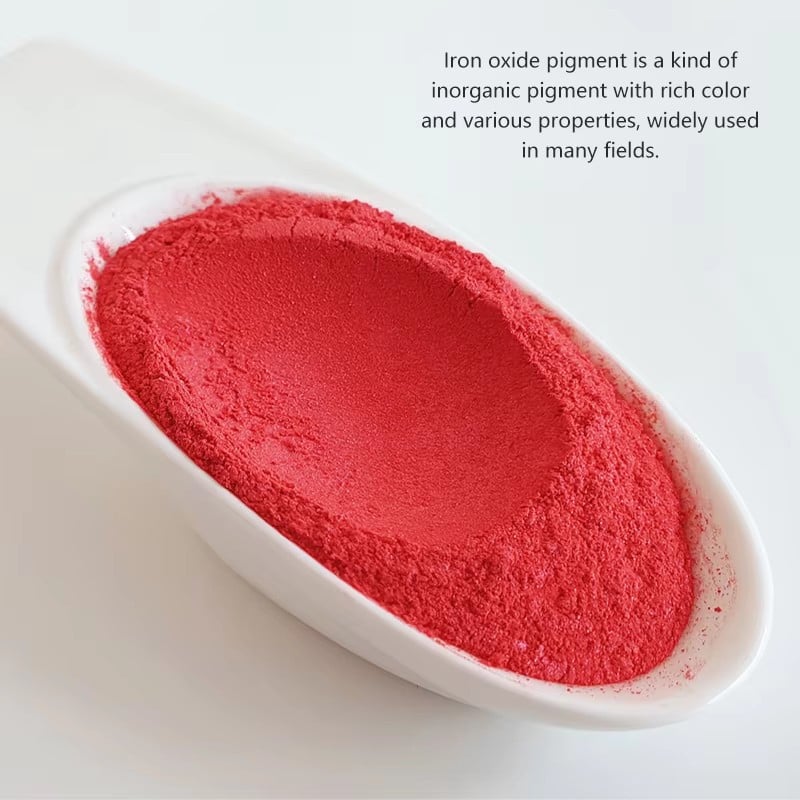
synthetic iron oxide pigments are inorganic pigments mainly composed of iron oxide and related iron oxide compounds. They are widely used in architectural paints, industrial coatings, primers, decorative coatings, powder coatings, and exterior wall coating systems. In practical paint formulation, synthetic iron oxide provides stable color, good opacity, strong chemical resistance, alkali resistance, and excellent light fastness.
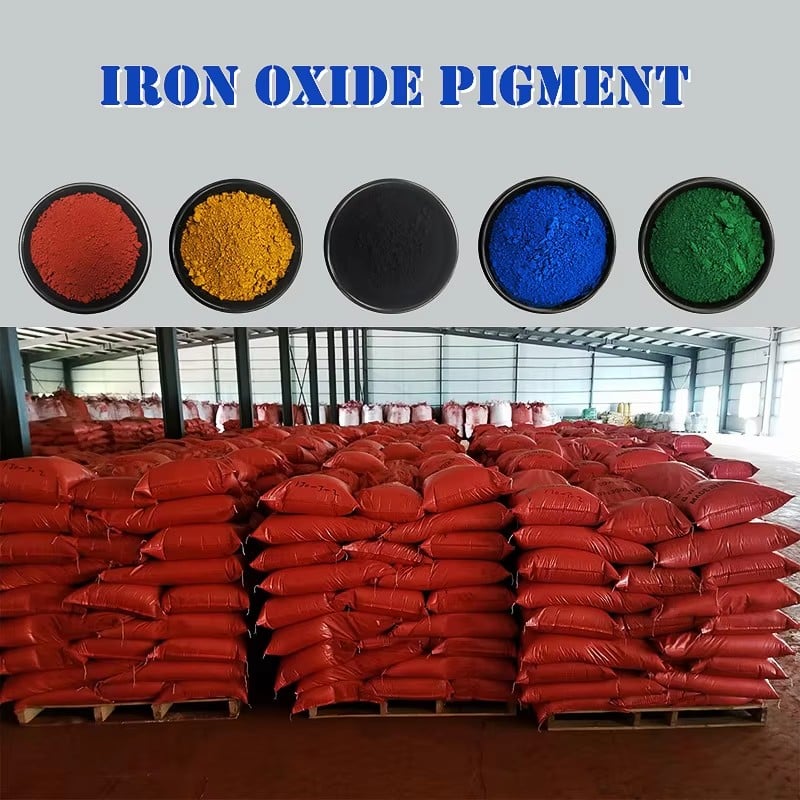
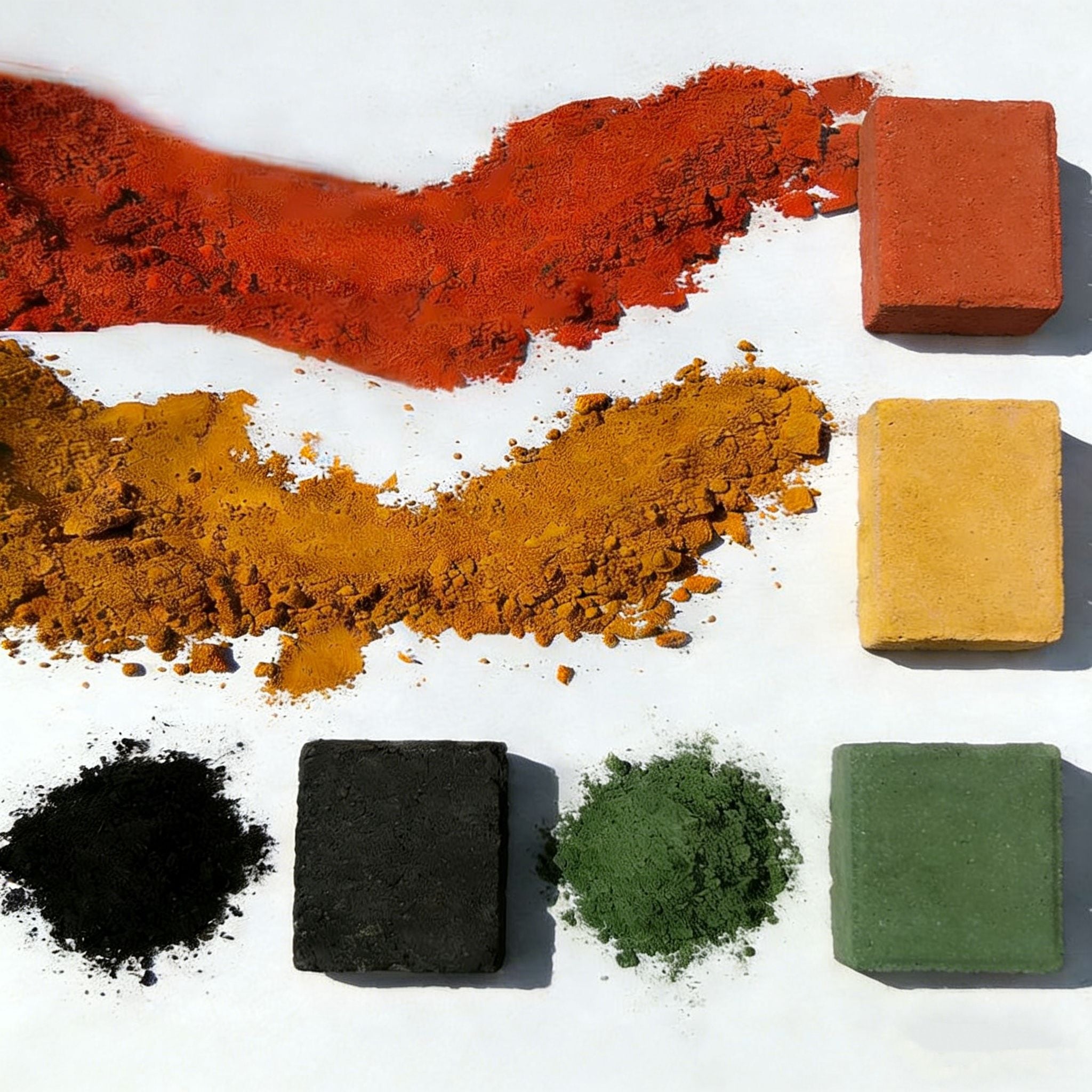
The common commercial colors include Iron Oxide Red, Iron Oxide Yellow, Iron Oxide Black, Iron Oxide Brown, Iron Oxide Orange, and Iron Oxide Green. These colors allow formulators to develop a broad range of shades for interior and exterior coatings. Because synthetic iron oxide is inorganic, it usually offers better durability than many less stable coloring materials in demanding outdoor environments. For a formulator, the value of synthetic iron oxide is not only the final color, but also how reliably it behaves during dispersion, storage, application, and long-term exposure.
High Tinting Strength synthetic iron oxide for Stable Paint Color
High tinting strength is one of the first reasons to specify synthetic iron oxide in a paint formula. If the tinting strength of synthetic iron oxide changes from one batch to another, the same pigment dosage may produce different color depth. This creates serious problems in production: the formula cannot remain fixed, operators must frequently adjust pigment loading, and cost control becomes difficult.
With controlled synthetic iron oxide, paint manufacturers can improve color repeatability and reduce the need for correction during production. Our synthetic iron oxide is tested for key color indicators, including shade, tinting strength, and color difference, helping coating manufacturers maintain more consistent finished paint. For R&D teams, high-strength synthetic iron oxide helps reduce formulation uncertainty and supports stable color matching in both water-based and solvent-based paint systems.
Easy-Dispersing synthetic iron oxide for Shorter Grinding Time
Poor dispersion is the most visible production problem when synthetic iron oxide is not well controlled. Coarse synthetic iron oxide particles, hard agglomerates, or inconsistent particle distribution can make the pigment difficult to wet and disperse. The direct result is longer grinding time, higher energy consumption, visible particles on the coating film, lower gloss, color spots, floating color, flooding, or uneven appearance.
Easy-dispersing synthetic iron oxide reduces these risks by improving pigment incorporation into the coating system. When synthetic iron oxide wets quickly and disperses evenly, the mill can reach target fineness faster, and the production line can operate with fewer interruptions. By controlling particle size, sieve residue, moisture, and agglomeration, our synthetic iron oxide supports smoother dispersion and helps coating factories improve production efficiency.
Weather-Resistant synthetic iron oxide for Exterior Wall Paints
Exterior coatings require synthetic iron oxide with strong light fastness, weather resistance, alkali resistance, and chemical stability. Inferior synthetic iron oxide may fade, discolor, darken, or shift in tone after long-term exposure to sunlight, rain, temperature changes, and alkaline building substrates. This can shorten the service life of exterior wall paint, increase project repair risk, and damage the brand reputation of the coating manufacturer.
Weather-resistant synthetic iron oxide is valuable for exterior wall paints, façade coatings, industrial coatings, anti-corrosion primers, and construction-related decorative coatings. Because synthetic iron oxide is chemically stable and naturally durable as an inorganic pigment, it is well suited for coatings that need long-term color retention and reliable outdoor performance.
Common Problems with Low-Quality synthetic iron oxide Pigments
The market still contains synthetic iron oxide grades with unstable quality, and these problems often appear during formulation or after production. First, unstable synthetic iron oxide may show different tinting strength from batch to batch. Even with the same dosage, the final paint color may become lighter, darker, redder, yellower, or duller than expected.
Second, poorly dispersed synthetic iron oxide may contain coarse particles or serious agglomerates. This increases grinding time, reduces gloss, creates film defects, and may cause floating, flooding, or visible specks in the finished coating. Third, contaminated synthetic iron oxide may contain sand, coarse particles, or mechanical impurities, which can block filters, create rough film texture, and reduce application quality. Finally, pigments with high moisture or weak packaging may absorb water and cake during storage, making feeding difficult, lowering dispersion efficiency, and increasing warehouse loss.
How Our synthetic iron oxide Solves Formulation Pain Points
Our synthetic iron oxide is developed to solve common paint formulation and production challenges. To solve color difference, synthetic iron oxide batches are controlled through standardized production and batch testing, helping maintain stable shade, tinting strength, and color consistency. This allows formulators to keep recipes more stable and reduces production adjustment.
To improve dispersion, synthetic iron oxide is controlled for particle size, sieve residue, moisture, and agglomeration. This helps reduce coarse particles, shorten grinding time, and improve film appearance. To support exterior durability, synthetic iron oxide offers excellent light fastness, weather resistance, alkali resistance, and chemical stability, making it suitable for exterior architectural coatings and industrial paint systems. With this approach, synthetic iron oxide becomes a practical solution for reducing color instability, abnormal viscosity, pigment sedimentation, and flocculation.
Documentation for synthetic iron oxide: CoA, REACH and CE Certification
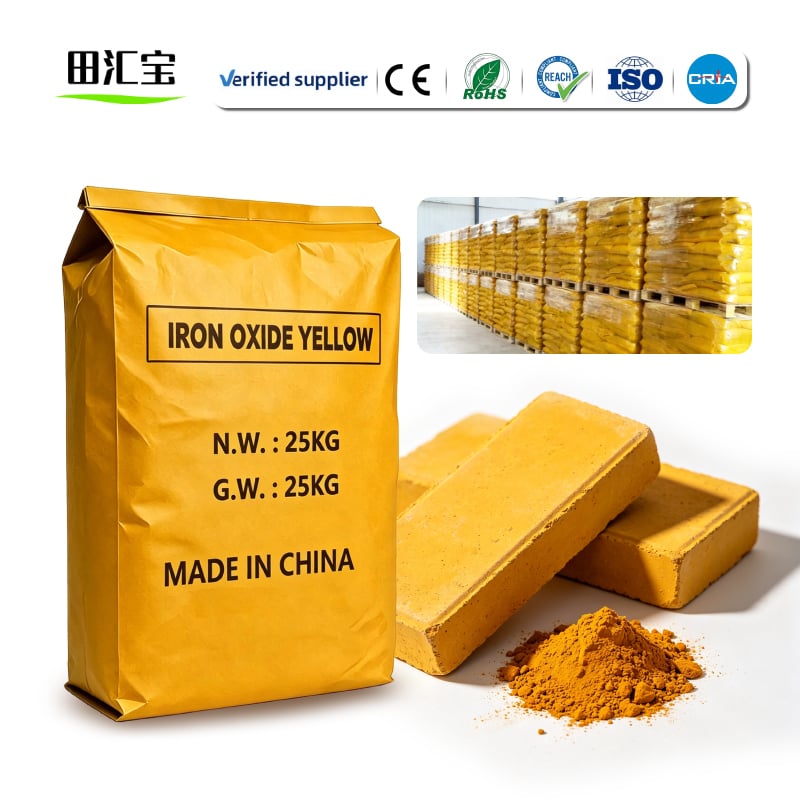
Professional buyers need more than synthetic iron oxide performance; they also need reliable documentation for supplier approval, quality inspection, customs clearance, and market compliance. For each batch, synthetic iron oxide can be supplied with a Certificate of Analysis, commonly known as CoA, to support incoming inspection and quality traceability.
REACH-related documentation may be required by customers selling into the European market, depending on product grade, destination country, and final application. CE certification may also be requested in some construction-related supply chains or customer-specific projects. However, REACH and CE requirements should always be confirmed according to the final use, local regulations, and customer purchasing standards. In addition to CoA, technical data sheets and safety data sheets are commonly used to support formulation evaluation and export procedures.
Case Study: Exterior Paint Improvement with synthetic iron oxide
Date: June 12, 2024
Location: Ho Chi Minh City, Vietnam
Case Name: Exterior Wall Paint Color Stability and Dispersion Improvement Project
A regional exterior paint manufacturer reported several recurring problems: long grinding time, unstable red and brown shades, viscosity increase after storage, pigment sedimentation, and occasional particles on the coating film. The production team had to adjust formulas frequently, which increased labor cost and delayed delivery. The solution was to replace the previous pigment with an easy-dispersing synthetic iron oxide system for red, yellow, and brown shades.
After lab validation and pilot production, the selected synthetic iron oxide grades helped improve dispersion efficiency, reduce visible particles, and stabilize color performance across batches. The formulation team also adjusted dispersant dosage and confirmed fineness before mass production. The result was shorter grinding time, more stable exterior paint color, improved storage behavior, and fewer production corrections.
Conclusion: Choosing synthetic iron oxide for Reliable Paint Production
For paint manufacturers, pigment selection directly affects color stability, production efficiency, coating durability, and customer satisfaction. A high-quality inorganic pigment should provide stable tinting strength, easy dispersion, low sieve residue, controlled moisture, strong weather resistance, and reliable documentation such as CoA, REACH-related support, and applicable CE certification. For stable color, faster dispersion, and durable exterior coatings, choose synthetic iron oxide.
 ×
×
 Hot News
 EN
EN